“All CrossFit cares about is the scoreboard!”
“CrossFit is too intense to be safe!”
“CrossFit doesn’t care about technique!”
“High-rep Olympic lifts are dangerous!”
“You need to be fit before doing CrossFit, or you will get injured!”
“Normal people should NOT lift heavy!”
These are just a snapshot of the various comments I have seen and heard. For as long as CrossFit has been around, I am still thrown off by the assumption that the program is inherently dangerous or by a mindset that you cannot have a safe program that also drives intensity. By now, I don’t think the people saying these things even believe what they are saying is true.
In fact, many of the same elements that promote safety also help increase true intensity. Further, there needs to be a safety focus to drive long-term intensity. Before going further, let’s make sure we are on the same page with what intensity and safety are:
Intensity: CrossFit defines intensity as power (force x distance/time). The uniqueness and importance of this definition lie in its measurability. Absolute intensity (power) is enhanced by focusing on proper movement mechanics to move as efficiently as possible.
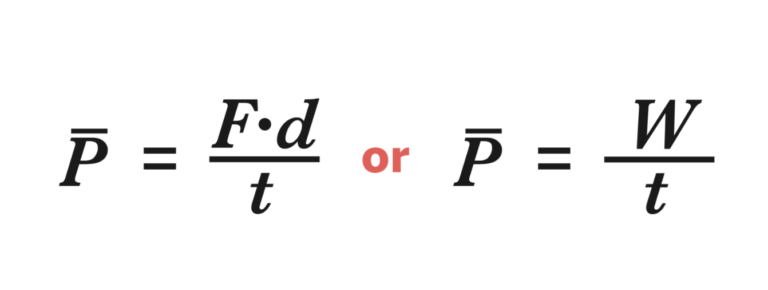
Another key component is that intensity is relative to the individual’s physical and psychological tolerance. This variable means CrossFit can be for everyone, and we modulate intensity via scaling to meet people where they are.
Safety: We are discussing the risk of injury. Safety is enhanced through proper movement mechanics, progressively increasing intensity over time, effective scaling, and sound judgment informed by each athlete’s daily needs.
It is important to note that we do NOT expect our program to be 100% safe. This is not a claim we have ever made. For other unfounded safety claims, read this. Instead, we focus on achieving outstanding results when assessing the safety, efficacy, and efficiency of our program for daily workouts and over the long term.
Why do people think safety and intensity are at odds?
Many individuals don’t understand what “intensity” is. Intensity, with a typical mindset, may be thought to be associated with reckless hard work at all costs. While hard work is a key attribute of our program, it is essential to note that our coaches look for the correct balance of intensity and sound mechanics. This balance is reconciled through threshold training. In short, we want athletes to push the boundaries of technique and intensity where the speed, volume, or loading may cause infrequent, minor deviations in mechanics. The coach is responsible for managing this for every workout, for every athlete.
Mindset Shift: Safety is the Foundation for Sustainable Intensity
CrossFit has a long-held blueprint for the program coaches and athletes alike may need to constantly revisit: Mechanics > Consistency > Intensity.
Mechanics: Establishing sound movement mechanics is prioritized in our program. This involves periods when athletes may move at slower speeds, with reduced volumes and lighter loads, while developing the mechanics of a movement. Focused development on movement mechanics is not solely reserved for new athletes. Nearly every session will involve focused skill-development work to refine mechanics and prepare for the specific demands of the workout.
Consistency: This means that athletes perform the mechanics correctly the gross majority of the time. Consistency also implies that athletes are consistently attending classes, so their adaptations are constant
Intensity: After mechanics and consistency are established, we can then start to focus on increasing intensity or difficulty through increased loads, increased speed, higher volumes, higher skill, etc.
The obvious benefit is that this charter reduces the risk of injury and allows for a gradual increase in difficulty. This charter also allows for a long-term improvement in intensity:
Being that this pathway enhances safety, this will allow the athlete to perform more high-intensity workouts in the years to come.
The pathway sets the foundation for efficient movement. Efficient movement allows more work to be done in less time, resulting in a direct increase in intensity (power). Efficient movement will also allow for increased loads to be lifted and higher-level skills to be developed.
Managing Safety and Intensity at an Affiliate
Managing safety and intensity at an affiliate should be a collaborative effort with the coach and the athlete. However, the large bulk of this demand is placed on the coach.
The Coach
The coaching staff is the most integral part of providing athletes with an experience that keeps them safe while delivering results. Coaches guide athletes on a path to develop correct technique before significantly increasing loads or speed. In other words, they guide them deliberately through the charter of mechanics, consistency, intensity, plus threshold training. This could be achieved through an on-ramp process and/or accurately tracking the athletes’ data and attendance.
As athletes advance, the coach will continue to refine more subtle faults to help them improve their movement efficiency and increase intensity (power). The coach is also responsible for creating new challenges for them to achieve. This can be achieved by effectively managing their threshold. If the athlete continues to perform the same scales, loads, reps, etc., they will stop progressing. Effective threshold training is critical to avoid premature plateaus.
The coach is also responsible for managing athletes’ relative intensity. As mentioned previously, relative intensity means intensity is relative to an individual’s physical and psychological tolerances. We work to ensure each workout meets athletes’ needs through effective scaling and threshold training to help them achieve the intended stimulus of the workout of the day.
A less well-understood component is that an athlete’s relative intensity may change frequently. For example, an athlete might have a poor night’s sleep or be in a period of high stress. This athlete may be best served by a workout that is lower in intensity than they typically perform. This is why a key component of a session is a time to check in or assess your athlete’s readiness before starting the main session of the day. This can be achieved through a quick chat or by assessing your athlete’s body language and struggles during the general and specific warm-up.
The coach is also responsible for effectively implementing quality warm-ups and cool-downs. Warm-ups prepare the body for upcoming demands, allow coaches time for skill refinement and load management, and lay the groundwork for effective scaling. Effective cool-downs also allow athletes to recover more quickly and be prepared for the demands of the days ahead.
The Athlete
The athlete’s primary role is to check their ego and listen to their coach’s guidance on scaling, movement refinement, and quality programming. The athlete is also responsible for listening to their body and letting their coach know when they are feeling banged up, so the coach can adapt the workout accordingly. Affiliates with a strong culture that sets expectations for their athletes at the outset of their journeys alleviate many of these potential issues before they start.
Good Technique Is Not Just for Safety
Adhering to proper movement mechanics is not solely for safety. Yes, good mechanics will reduce risk. An added benefit is that proper mechanics also boost performance and intensity. If athletes want to perform at their best, lift the heaviest weights possible, beat their buddies at workouts, and do more cool skills, then high-quality technique coupled with progressively increased intensity levels will do the trick. Good technique is a win-win situation!
About the Author
 Stephane Rochet is a Senior Content Writer for CrossFit. He has worked as a Flowmaster on the CrossFit Seminar Staff and has over 15 years of experience as a collegiate/tactical strength and conditioning coach. He is a Certified CrossFit Trainer (CF-L3) and enjoys training athletes in his garage gym.