Coordinating weightlifting classes with CrossFit programming is ideal for athlete success. Dedicated weightlifting sessions teach safe, effective lifting techniques that directly improve WOD performance. This specialized training builds stronger movement patterns, prevents injuries, and can be integrated into existing affiliate programming to maximize member results.
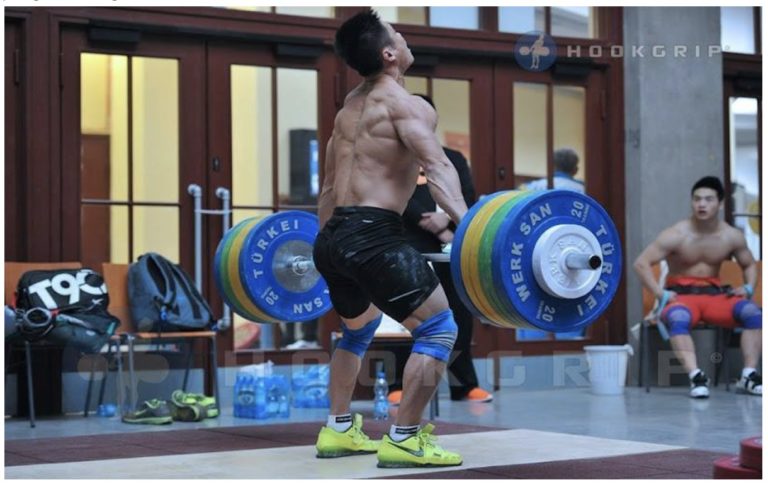
Inside Our Gyms
Observing the latest CrossFit meso/microcycles will be important for planning future weightlifting sessions. Factors such as volume, function, load, and weaknesses ensure the best distribution of accessory exercises during sessions and help achieve safer and more consistent training, avoiding redundant work that generates unnecessary joint overload.
Olympic lifting programming should maintain a balanced and safe relationship, focusing on improving the aspect of moving heavy loads taught within the CrossFit methodology.
Volume, Function, and Loads
When planning weightlifting classes within our affiliate, we should consider factors such as:
Volume
Maintaining the set and repetition volume of the weightlifting class while taking into account the CrossFit program will ensure that the athlete does not overtrain.
Function
Observing and scheduling sessions according to a balance of joint function and strategically avoiding redundancy will ensure we maintain consistency in the sessions.
Loads
Prescribing loads takes into account heavy sessions and the prevalence of heavy loads within the workouts of the CrossFit program for the week to improve session distribution and focus.
Looking for Weaknesses
Identifying weaknesses and imbalances to develop an effective plan to improve them is an important factor in developing additional weightlifting sessions. Knowing our athletes’ main weaknesses can help us visualize a clearer and safer path to developing their lifts.
The programmer’s job is to balance all the factors discussed with what the student needs to improve. When the Oly session has a well-defined purpose and knows exactly what it is trying to correct in the athlete, it allows them more practice time and a session focused on correcting movement deficiencies to improve their CrossFit workout performance.
Inside the Ginge CrossFit Barbell Club Program
Our weightlifting club is designed for members who train in regular CrossFit classes three to five times per week and want to improve and practice their Olympic lifts. There are two sessions per week: one clean and jerk and one snatch. We recommend this weightlifting session be held on different days from the regular CrossFit classes, if possible.
Here is an example of a two-session, two-week schedule where we were able to introduce accessory work between sessions:
DAY 1: CrossFit class
DAY 2: CrossFit class + weightlifting session
Full snatch session: up to 90% of your personal best + core accessory work
DAY 3: CrossFit class
DAY 4: CrossFit class + weightlifting session
Clean and jerk variations session: up to 75% of your personal best + shoulder, triceps, and upper back accessory work
DAY 5: CrossFit class
DAY 6: Rest Day
DAY 7: Rest Day
DAY 8: CrossFit class
DAY 9: CrossFit class + weightlifting session
Full clean and jerk session: up to 90% of your personal best + plyometric accessory work
DAY 10: CrossFit class
DAY 11: CrossFit class + weightlifting session
Snatch variations session: up to 75% of your personal best + lower-body accessory work
DAY 12: CrossFit class
DAY 13: Rest day
DAY 14: Rest day
Read the Full Series
Weightlifting Series Part 1: Why 80% of Weightlifting Errors Start with the Feet
Weightlifting Series Part 2: Why the Triple Extension Makes or Breaks Heavy Lifts
Weightlifting Series Part 3: How to Fix the Most Common Strength Imbalance in CrossFit
Weightlifting Series Part 4: A Coach’s Guide to Clean and Jerk Imbalances
Weightlifting Series Part 5: Olympic Lifting Classes Inside Our Affiliates
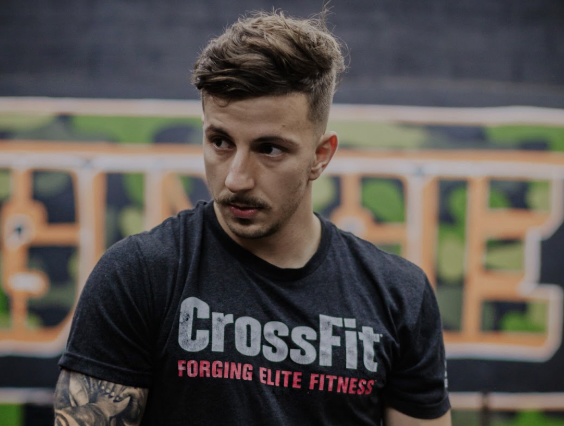 Alexandre Soster is a Level 3 CrossFit Trainer, co-owner of Ginge CrossFit, and a member of the Burgener Strength seminar team. With many years as a weightlifting coach and athlete, he is now a reference for other coaches and athletes who want to lift weights safely, effectively, and efficiently.