The clean and jerk is a classic weightlifting movement and is present in the CrossFit methodology. It is separated into two distinct moments, and finding a balance between these two moments can help athletes develop a consistent and solid movement. What we observe in some cases is what we call valence imbalance: athletes who have difficulty with the clean and ease with the jerk, or ease with the clean and difficulty with the jerk. Here’s a strategy to maintain and find balance between these two movements and how to correct possible imbalances.
Part 1: Strengthen the Clean
For athletes who have difficulty performing the clean but can perform the jerk solidly, we can follow some recommendations:
- Adjust the volume in the program and strategically incorporate days with movements targeting the lower body.
- Make technical adjustments, improve mobility, and confidence work — such as tall cleans and bounce front squats — can help achieve good positions and improve speed in the reception.
- Work the jerk under fatigue by programming heavy days with a sequence that prioritizes a higher volume of squats (e.g., 5 x 3 front squats + 1 jerk). This approach is primarily aimed at working the jerk under fatigue and increasing the volume of the movement that is more difficult.
- Make the jerk more difficult for athletes who have already mastered the movement solidly by teaching the dip and hold jerk. This approach allows for continued challenge and engagement of the athlete in their most comfortable movement.
Part 2: Strengthen the Jerk
For athletes who have difficulty performing the jerk but can perform the clean with relative ease, we can follow some recommendations:
- Use the rack as a tool on heavier days. The rack can help isolate the jerk, so the athlete doesn’t have to worry about lifting the bar off the floor.
- Use a sequence that prioritizes a higher volume of presses or jerks (e.g., 5-5-5-3-3-3-1-1-1 push jerks from the rack). The main objective is to decrease volume while increasing load.
- Incorporate unilateral work, such as dumbbell or kettlebell presses, to address weaknesses and improve imbalances.
- Do elbow extensor work. Elbow extension plays an important role in keeping the bar in a safe and stable position overhead. Movements like dips and skull crushers are excellent accessory work.
Prepare Your Coaching Eye
As a coach, diagnosing strength imbalances between an athlete’s clean and jerk is crucial for creating targeted training programs. When you can pinpoint whether an athlete’s weakness lies in the clean or the jerk, you can prioritize the right training focus for maximum improvement. Here’s a systematic approach to creating an effective action plan:
#1 – Assess Stance and Grip Fundamentals
Examine how the athlete positions their feet during transitions and whether their grip width is appropriate for their body proportions. Poor foot movement or incorrect grip can reveal which portion of the lift is compromised.
#2 – Evaluate Recovery Performance
- Clean recovery: Watch how smoothly the athlete stands up after catching the bar on their shoulders.
- Jerk recovery: Observe their ability to stabilize and stand after catching the bar overhead.
#3 – Check for Midline Stability Issues
- Clean: Look for excessive forward lean or back rounding under heavy loads.
- Jerk: Watch for excessive back arch when supporting the bar overhead.
#4 – Analyze Bar Path Efficiency
Track the bar’s trajectory throughout both movements. Any deviation outside the athlete’s base of support (forward or backward drift) indicates specific technical weaknesses that need targeted correction.
By systematically evaluating these four areas, you can quickly identify whether an athlete’s limitation lies in the clean, the jerk, or both, allowing you to design focused training interventions.
Read the Full Series
Weightlifting Series Part 1: Why 80% of Weightlifting Errors Start with the Feet
Weightlifting Series Part 2: Why the Triple Extension Makes or Breaks Heavy Lifts
Weightlifting Series Part 3: How to Fix the Most Common Strength Imbalance in CrossFit
Weightlifting Series Part 4: A Coach’s Guide to Clean and Jerk Imbalances
Weightlifting Series Part 5: Olympic Lifting Classes Inside Our Affiliates
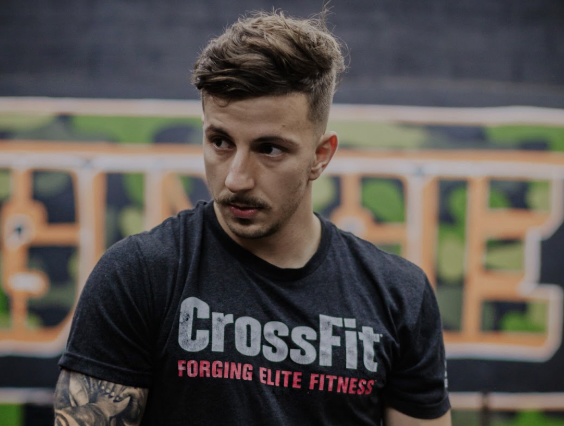 Alexandre Soster is a Level 3 CrossFit Trainer, co-owner of Ginge CrossFit, and a member of the Burgener Strength seminar team. With many years as a weightlifting coach and athlete, he is now a reference for other coaches and athletes who want to lift weights safely, effectively, and efficiently.