Athletes who lift heavier weights in the power position (partial squat) than in the squat (full-depth squat) are a common issue in weightlifting and CrossFit gyms. This imbalance can be associated with several factors, such as workout priorities, mobility issues, confidence, speed, and even programming. The truth is, there is a ratio we consider ideal in weightlifting, and balancing this ratio can increase our performance and improve our movements. We can observe a tendency in more developed weightlifting athletes to have their squat movements about 15-20% greater than their power movements. Understanding more about this power/squat ratio will help your athletes build a more efficient strength base and develop skills to make them even better at weightlifting.
Here are five ways to help your athletes close the gap on their strength imbalances.
Drill the Bar Path
When we talk about differences, the first thing we can observe is the path taken by the bar. In power movements, the bar travels a longer path to the reception point, requiring the bar to reach a greater height. In squat reception, we observe that the bar travels a shorter path to the reception point. In practice, this can mean energy savings. The shorter the path to the reception position, the greater the load potential. We can see that the heaviest lifts in the world have an economical and efficient bar trajectory.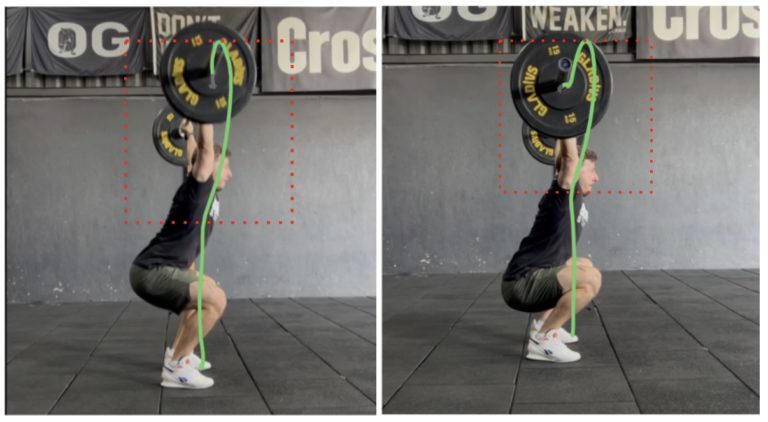
Avoid Biases or Imbalances in Your Programming
An athlete with heavier power position movements may be reinforcing this through biased programming. Ensuring the athlete is exposed to heavy days with a full squat reception is essential to avoid this imbalance. Consider:
- Heavy days focusing on full range of motion in the squat
- Complexes with 2+ reps of the movement (e.g., 2-2-2-2-2 of 1 hang squat clean, plus 1 front squat)
- Equipment variations (e.g., sandbag squat clean, dumbbell squat snatch)
Coach to Improve Speed (and Gain Confidence)
Speed work during the reception is crucial for gaining confidence and the ability to quickly enter a deep squat position.
Drills such as drop snatch at 50-60% of your personal best and high hang squat clean/snatch, programmed into a specific warm-up, can help athletes gain confidence for the heavy day.
Attend to Mobility Issues
To help with mobility gains and achieve a greater range of motion on these days:
- Use a dynamic general warm-up to prepare your athletes for range of motion gain and deep positions.
- Perform joint rotations focusing on ankles, hips, and shoulders.
- Work on pause positions such as bottom overhead squats and pause front squats.
Step Outside Your Comfort Zone
On heavy days, athletes tend to seek comfort for their movements. Your role as a coach is to encourage and guide the athlete to overcome their limitations and seek out areas of work they would usually avoid. These five tips can help athletes develop this resilience:
- Build up loads with 5%-10% progressions on heavy days to gain consistency and confidence.
- Moderate loads by focusing on range of motion and speed of execution.
- Provide feedback between attempts.
- Develop lower-body strength.
- Dial in your presence and attitude so they feel comfortable and supported during challenging lifts.
Read the Full Series
Weightlifting Series Part 1: Why 80% of Weightlifting Errors Start with the Feet
Weightlifting Series Part 2: Why the Triple Extension Makes or Breaks Heavy Lifts
Weightlifting Series Part 3: How to Fix the Most Common Strength Imbalance in CrossFit
Weightlifting Series Part 4: A Coach’s Guide to Clean and Jerk Imbalances
Weightlifting Series Part 5: Olympic Lifting Classes Inside Our Affiliates
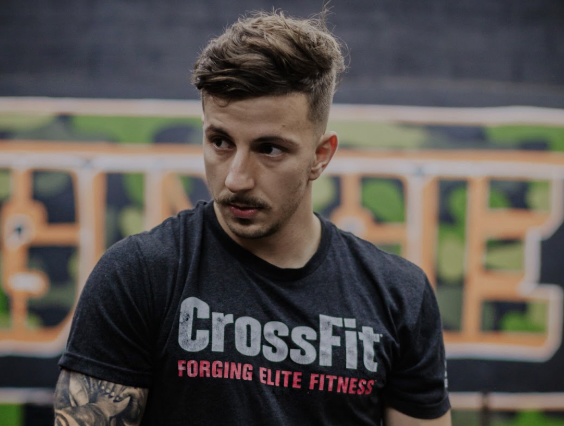 Alexandre Soster is a Level 3 CrossFit Trainer, co-owner of Ginge CrossFit, and a member of the Burgener Strength seminar team. With many years as a weightlifting coach and athlete, he is now a reference for other coaches and athletes who want to lift weights safely, effectively, and efficiently.