Athletes often ask: “Should I move my feet?”
The answer is: Yes, you should! Feet move during the execution of an Olympic weightlifting movement, especially on heavy days. To gain speed and stability, footwork is necessary.
Identifying and correcting foot positioning is an essential role of the coach, and guiding the athlete toward consistent work will ensure an increase in maximum loads in both the snatch and clean and jerk.
Your feet are your base area, and developing footwork is essential for achieving stability, speed, and balance. Your feet are your point of contact with the ground, which is your primary source of energy in the first phases of the movement.
In my nearly 10 years of coaching CrossFit and weightlifting, poor footwork is the most common problem I see in classes and seminars. Athletes with bad foot positioning consistently struggle with their lifts. According to what we teach in Burgener Strength weightlifting seminars, approximately 80% of lifting errors stem from foot-related issues — and this percentage tends to increase as athletes progress.
When we talk about foot positioning, we work with two main positions: the jumping/pulling position and the landing/receiving position.
STANCE – Jumping/Pulling Position
The primary focus of this position is to establish a stable base for explosive movements. Each part of the foot should be in direct contact with the ground, typically positioned in a line just below the hips. For taller athletes, this position may be slightly wider. This is the position we use for pulls (i.e., deadlifts, clean/snatch high pulls, muscle clean/snatch), and presses (i.e., shoulder presses, push presses).
STANCE – Landing/Receiving Position
In this position, we seek stability to support heavy loads and the ability to consistently maintain performance points for a good squat. The feet should be positioned shoulder-width apart, with the toes pointed slightly outward, so body weight is distributed and balanced across the foot (heel, big toe, and pinky toe). This is the position we use for squats (i.e., clean/snatch, front squat, overhead squats) and receiving phases (i.e., push jerk, power clean/snatch).
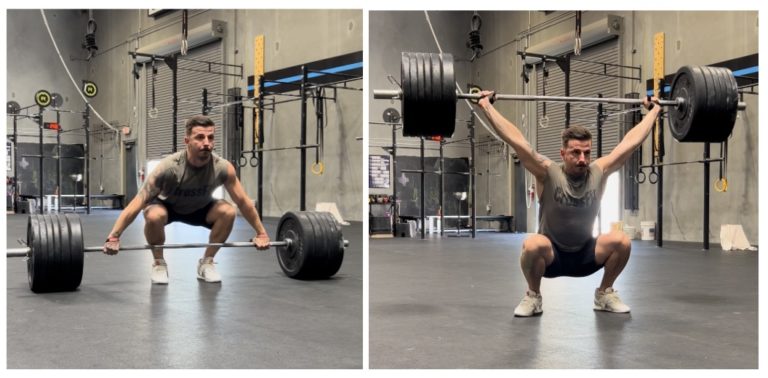
The transition between positions is made through a strong and aggressive jump (triple extension), where the feet leave the ground and the base change is made. The triple extension refers to the simultaneous extension of the ankles, knees, and hips, which is a key component of many weightlifting movements. Note: Many mistakes are made during the triple extension, which we’ll address in the next part of the series. Today, we are focusing on helping athletes build a consistent base with their feet.
Prepare the Body for the Session
When coaching a heavy day or a WOD with a weightlifting component, start by introducing movements that involve small jumps to help your athletes notice their feet moving during the exercises.
Use movements with dynamic base changes in the general warm-up, such as jumping jacks, plate jumps, jumping lunges, and lateral/frontal runs. These movements prepare and warm up the body for dynamic foot movements.
Start With Static Work
Pause work is my go-to method for teaching proper body positioning and spatial awareness. By holding a static position under tension, athletes can better visualize and correct form errors, developing a deeper understanding of the correct position. This technique works well even with lightweight equipment like a PVC pipe.
Adding pauses to front and overhead squats and deadlifts on heavy days can help athletes gain practice time and consistency in these positions.
Move to Precise Dynamic Work
Dynamic work comes into play once the static positions have been established. In this part, focus on the smooth transition between positions and consistency across repetitions.
Jumping and landing exercises should be included to improve accuracy, coordination, and speed. For instance, you can include exercises like tall cleans, tall snatches, snatch lands 2 inches, 4 inches, 6 inches, drop snatches, snatch balances, and push jerks to work on this transition.
The biggest challenge when coaching these movements is managing the progression of the load. As athletes increase their weights, some errors related to the feet will likely reappear. Don’t forget to revisit footwork drills with light to moderate loads and guide them to build a solid foundation with their feet. Remember: Weightlifting is a sport of positions, and the first thing we want to ensure is good foot positioning.
Read the Full Series
Weightlifting Series Part 1: Why 80% of Weightlifting Errors Start with the Feet
Weightlifting Series Part 2: Why the Triple Extension Makes or Breaks Heavy Lifts
Weightlifting Series Part 3: How to Fix the Most Common Strength Imbalance in CrossFit
Weightlifting Series Part 4: A Coach’s Guide to Clean and Jerk Imbalances
Weightlifting Series Part 5: Olympic Lifting Classes Inside Our Affiliates
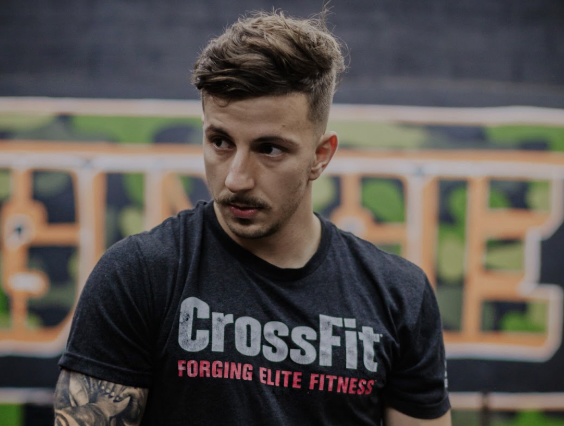 Alexandre Soster is a Level 3 CrossFit Trainer, co-owner of Ginge CrossFit, and a member of the Burgener Strength seminar team. With many years as a weightlifting coach and athlete, he is now a reference for other coaches and athletes who want to lift weights safely, effectively, and efficiently.