Nutrition advice for women has become remarkably complicated. It seems like every talking head and social media influencer has a strong stance and something to sell you.
During one phase of your menstrual cycle, you may be told to eat more carbohydrates. During another, you should apparently be eating more fat. There are foods to “balance your hormones,” seeds to rotate according to the calendar, supplements for every stage of the menstrual cycle, and a whole new set of rules and complexity waiting for you once you reach perimenopause.
Then menopause arrives, and the internet would have you believe that soy is either essential or forbidden, your metabolism has slowed to a crawl, and you are now fragile and should stop training with intensity.
Fortunately, female physiology is considerably less dramatic, and decidedly not fragile.
Hormonal changes throughout a woman’s life are real, and some have meaningful effects on appetite, body composition, bone, muscle, and metabolism. But they do not require women to repeatedly reinvent their diet or invest hundreds of dollars in supplements. The nutritional fundamentals that support health at 25 still work at 55.
Why Are You Hungrier Before Your Period?
If you find yourself standing in the kitchen looking for something to eat a few days before your period, there’s a physiological reason.
The menstrual cycle is typically divided into two major phases. The follicular phase begins with menstruation and continues until ovulation. The luteal phase begins after ovulation and ends when the next period starts.
Estrogen and progesterone rise and fall across these phases, and those changes influence both energy expenditure and appetite.
A 2025 systematic review and meta-analysis found that women consumed an average of about 168 more calories per day during the luteal phase than during the follicular phase. A more recent systematic review found that resting metabolic rate also tends to be slightly higher during the luteal phase, although the estimated increase was fairly small, roughly 30 to 120 calories per day, or about 3 to 5%. If you track biometric data, you’ll see an increase in body temperature during this phase, reflecting that increased energy expenditure.
So yes, you really might be hungrier before your period. That doesn’t necessarily mean your body has developed a desperate physiological requirement for chocolate-covered pretzels. But an increase in appetite or interest in energy-dense foods during this part of the cycle isn’t unusual.
It also doesn’t mean you need a menstrual-cycle meal plan.
There is considerably more enthusiasm for “cycle-syncing” diets on social media than there is evidence supporting them. For most healthy women, there is little reason to dramatically change macronutrients or food choices every week based solely on menstrual cycle phase.
A more practical strategy is to pay attention to your own experience.
If you are consistently hungrier during the week before your period, plan for it. Make your meals substantial and filling. Prioritize nutrient-dense whole foods that provide high-quality protein and the vitamins and minerals the body needs. Add a little more food if you need it. Knowing that your appetite may increase, and adjusting accordingly, can be far more useful than spending three days trying to ignore it and eventually eating everything within arm’s reach.
What Happens to Your Body During Perimenopause?
At some point, usually in a woman’s 40s but sometimes earlier or later, the predictability of the reproductive years begins to disappear.
Perimenopause is the transition leading up to menopause, and it can last for years. Estrogen and progesterone become more variable. Menstrual cycles may become shorter, longer, heavier, lighter, or occasionally seem to be operating according to no recognizable calendar at all.
Sleep may become more difficult, especially as hot flashes and night sweats appear. Training and recovery can feel different, and motivation to train seemingly dries up. Body composition and fat distribution start to change too.
And this is where women are frequently told their metabolism has “slowed down” or is somehow “broken.” The reality is more interesting than that.
Does Menopause Really Slow Your Metabolism?
When people use the word “metabolism,” they are usually talking about how much energy their body can produce from the food they eat. In one short snippet of biochemistry: Fats or carbohydrates, from the diet or the body’s own stores, combine with oxygen to make ATP. ATP is the energy currency of the cell, like a little charged battery powering all the cellular processes of staying alive and being a person. The bulk of this energy production happens in the mitochondria of each cell. Mitochondria, as your high school biology teacher no doubt drilled into your head, are the powerhouse of the cell.
But how much energy (ATP) the body produces and uses each day varies and depends on many factors. Your body uses energy to keep you alive at all times: breathing, thinking, pumping your heart, running your liver, and so on.
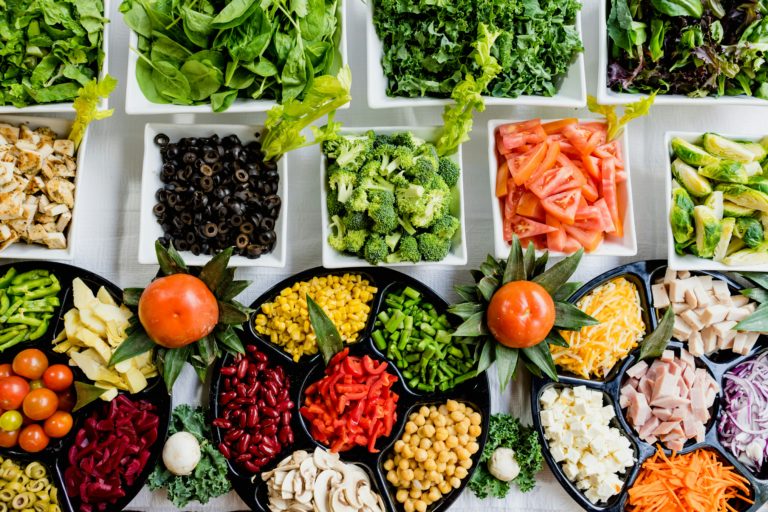
You use energy to digest food too. Energy needs increase during exercise or hard physical work. When times are good, your body can also invest energy in building and repairing tissues like muscles, bone, skin, and organs. Your immune system uses a huge amount of energy to ward off foreign invaders like bacteria, viruses, and even cancer cells. You use energy to maintain your body temperature, fertility, and everything else too, from walking around the grocery store to carrying laundry upstairs to tapping your foot under your desk. All of these contribute to how much energy you expend in a day. Some of them change as you get older.
People often become less physically active with age and lose muscle as a result. Jobs and lifestyles can become more sedentary. Small reductions in movement, accumulated across an entire day, can substantially affect total energy expenditure.
Menopause adds another layer, but separating menopause from aging is difficult because they occur at the same time. One of the best sources of information on this question is the Study of Women’s Health Across the Nation, or SWAN, a large longitudinal study that has followed women through the menopausal transition. Its findings are fascinating.
Women tended to gain weight as they aged, but the rate of weight gain did not suddenly accelerate when menopause began. Body composition, however, did change. During the menopausal transition, the rate of fat gain increased while lean mass declined. In other words, the scale alone does not tell the whole story.
A woman could weigh approximately the same amount while carrying less muscle and more fat than she did several years earlier. Understanding body composition matters because it changes what you do about it. If keeping muscle and bone is the priority, trying to eat as little as possible and doing endless cardio is not a particularly good long-term strategy.
Why Muscle Matters More as You Age
Despite its primacy in mirror selfies, muscle does far more than just make your arms look good in a tank top. Skeletal muscle allows you to produce force, maintain physical capacity, and remain physically independent as you age. Muscle even sends out important messenger chemicals that help your brain function better as you age.
Unfortunately, maintaining it becomes more difficult, though not impossible. Older muscle becomes less responsive to the anabolic signals provided by dietary protein and exercise, a phenomenon commonly referred to as anabolic resistance. That doesn’t mean older women can’t build or maintain muscle. It means the stimulus becomes increasingly important.
This is where two things become particularly useful: protein and resistance training.
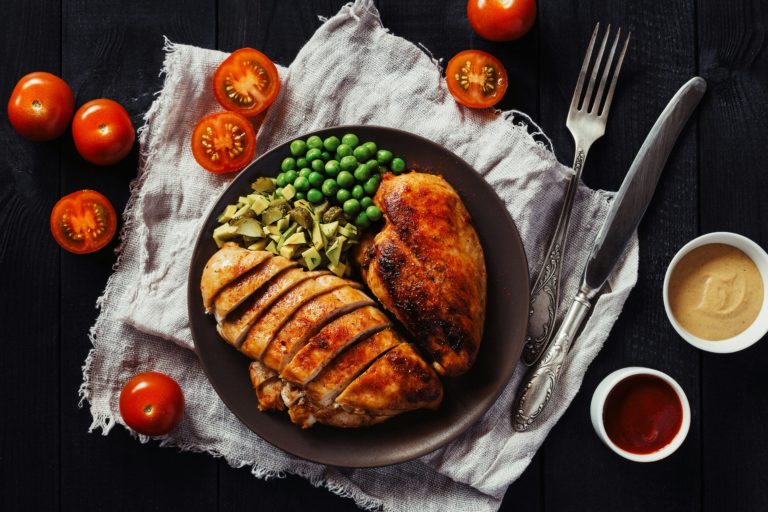
For active older adults, protein intakes of around 1.2 grams per kilogram of body weight per day or higher are commonly recommended, with individual needs varying by training, health, and total energy intake. For a 70 kg (154 lb) woman, 1.2 g/kg works out to about 84 grams of protein per day.
Women who train hard, are trying to gain muscle, or are dieting to lose body fat may benefit from more. Many recommendations now go as high as 2.2 g of dietary protein per kg of body weight (1 g/lb).
But protein cannot do the entire job by itself. Resistance training is required to send the signal for your body to keep muscle around. The first article in this series covers the evidence for resistance training in detail.
This creates a useful mindset shift in how you think about nutrition during midlife. Instead of asking, “What should I stop eating so I don’t gain weight?” it’s more productive to ask, “What do I need to eat and do to keep as much muscle as possible for the next 30 to 40 years?”
How Does Menopause Affect Bone Density?
Menopause affects more than muscle. Estrogen plays an important role in regulating bone turnover, and declining estrogen during the menopausal transition accelerates bone loss.
As the first article in this series covered, much of that loss happens in a short window around the final menstrual period.
That makes midlife an especially important time to think about bone. Calcium and vitamin D are usually what people think of first, but bone health isn’t just a calcium-supplement problem.
Bone is living tissue that responds to its environment, and adequate nutrition supplies the raw materials. Did you know that bone is about 50% protein? Collagen, the most abundant protein type in the body, provides the flexible, tensile bone matrix to which calcium, phosphorus, and other minerals attach. Vitamin K2, found in the fat of grass-fed ruminant animals, directs calcium into the bones and away from unwanted accumulation in other tissues such as the blood vessels (atherosclerosis), tendons (bone spurs), and kidneys (kidney stones).
The nutritional strategy for aging bones therefore looks remarkably similar to the strategy for aging muscle: eat enough nutritious food, get adequate protein and micronutrients, and regularly ask your skeleton to do something difficult.
Do You Need to Eat Fewer Carbs After Menopause?
For many women, yes, but that does not mean carbohydrates suddenly become harmful on your 50th birthday. It means the ability to dispose of glucose efficiently often declines through the menopausal transition, making a high-carbohydrate diet, particularly one built around sugar and refined carbohydrates, increasingly difficult to tolerate.
Estrogen affects glucose metabolism and insulin action. As estrogen becomes more erratic during perimenopause and ultimately declines after menopause, women tend to become less insulin sensitive. At the same time, fat storage shifts toward the abdomen and visceral fat increases. That visceral fat is itself strongly associated with insulin resistance, creating the potential for a vicious cycle: Poorer insulin sensitivity promotes a less favorable metabolic environment, while increasing visceral fat further worsens insulin sensitivity.
Research following women through the menopausal transition has documented these changes. Visceral fat begins increasing rapidly around the final menstrual period, and broader reviews of the evidence find increases in insulin resistance and other cardiometabolic risk factors across the transition.
This helps explain a complaint heard from many women in their 40s and 50s: “I eat the same way I always have, but now I’m gaining weight.” This is likely true because the same diet is arriving in a different metabolic environment.
A younger woman with good insulin sensitivity can often maintain normal blood glucose despite regularly consuming large amounts of sugar, flour, and other refined carbohydrates. Her body is better able to move glucose out of the bloodstream and into tissues in response to insulin. Normal blood glucose does not make those foods nutritious, nor does it mean years of eating them were harmless. It means her physiology was better able to deal with the assault.
As insulin sensitivity declines, that metabolic flexibility begins to narrow. The diet she once appeared to “get away with” becomes harder to tolerate.
Another important piece of the equation is muscle. Skeletal muscle is the body’s largest site of insulin-stimulated glucose disposal. Contracting muscle can also take up glucose through mechanisms that do not depend entirely on insulin. Maintaining muscle and using it regularly therefore gives dietary carbohydrate somewhere useful to go.
Consider two 55-year-old women. One strength trains several times per week, maintains substantial muscle mass, walks frequently, and regularly performs high-intensity exercise. The other spends most of her day sitting, has gradually lost muscle, and does little strenuous physical activity. These women have very different capacities to handle carbohydrates.
That is why carbohydrate intake should match both metabolic health and physical activity. Someone doing repeated sets of squats, pull-ups, and intervals on the echo bike has a legitimate use for carbohydrate (from whole foods) as training fuel and to replenish muscle glycogen. Someone who spends most of the day sitting does not.
Regardless of age, sugar and refined carbohydrates are poor nutritional investments. No one needs a steady supply of bread, cereal, crackers, pastries, candies, and sugary drinks. These deliver large amounts of rapidly digestible glucose and fructose with little protein, fiber, vitamins, or minerals. These foods were never a good idea as dietary staples; menopause simply makes the consequences of relying on them harder to hide.
For a woman entering midlife, reducing sugar and refined carbohydrates is an effective place to start, particularly if waist circumference, fasting glucose, triglycerides, or other markers of metabolic health are moving in the wrong direction. Replace those foods with minimally processed whole foods. Keep protein high to build and maintain muscle and bone. Train hard enough to use the carbohydrate you eat effectively.
Does Alcohol Make Menopause Symptoms Worse?
Alcohol deserves special attention during the menopausal transition because several of the things it disrupts are already becoming more vulnerable. Alcohol may initially make you feel sleepy, but it fragments sleep later in the night, reduces sleep quality, and can worsen the night waking that many women are already experiencing. Observational research on alcohol and hot flashes reflects that many women report alcohol as a trigger for vasomotor symptoms. If you are waking up drenched in sweat at 2 a.m. after a couple of glasses of wine, the wine deserves at least as much scrutiny as your magnesium supplement.
Alcohol also becomes increasingly difficult to justify from a body composition and metabolic perspective. It provides 7 calories per gram with essentially no nutritional value, temporarily suppresses fat oxidation while the body prioritizes clearing alcohol, can increase food intake and lower inhibitions around food choices, and does nothing to help preserve muscle or bone. Regular or heavier alcohol consumption, one drink per day or more, is also associated with poorer metabolic health and an increased risk of several cancers, including breast cancer. For a woman trying to navigate increasing visceral fat, declining insulin sensitivity, disrupted sleep, and the preservation of lean mass through midlife, alcohol is working against all of those goals at once. Drinking less, drinking less often, or eliminating alcohol entirely is one of the simpler nutritional strategies a woman can adopt during perimenopause.
Why Is It Harder to Lose Weight After 40?
For a woman whose daily energy expenditure has drifted down, the modern food environment is a bigger problem than it used to be. It is exceptionally good at providing large amounts of fuel with very little effort.
A few hundred calories can disappear into a fancy coffee, a handful of peanut M&M’s, or a couple of drinks, without doing much to reduce hunger.
Now add poor sleep.
Inadequate sleep can make appetite regulation and food choices more difficult. Training may also decline because exercising after a terrible night’s sleep isn’t particularly appealing.
None of this reflects a “broken metabolism.” The body has simply adapted to the signals given (use it or lose it, as they say) and reached a point of burnout from repeated assaults on the insulin and glucose management system. The margin between the amount of food required to maintain weight and the amount required to gain it has likely become smaller.
But the solution does not have to be aggressive calorie restriction.
Maintaining or building muscle, training regularly, walking, sleeping as well as circumstances allow, eating sufficient protein, and choosing foods that provide substantial nutrition and satiety can make that smaller energy budget much easier to work with.
Is Soy Bad for Menopause?
Few foods have managed to become as entangled in the menopause conversation as soy.
Soy contains compounds called isoflavones, which belong to a larger family of compounds known as phytoestrogens. Their chemical structure allows them to interact with estrogen receptors, which has produced two opposing claims. On one side, soy is marketed as a natural substitute for estrogen that women should add to ease the menopausal transition. On the other side, soy is thought to act like excess estrogen, causing hormone imbalances, and is something women are told to avoid.
Neither description is wholly accurate.
Isoflavones interact with estrogen receptors differently from human estrogen. A 2025 systematic review and meta-analysis of 40 randomized trials involving more than 3,000 postmenopausal women found that soy isoflavones did not significantly affect several measures of estrogenic activity, including circulating estradiol and endometrial thickness.
Whether soy meaningfully improves menopause symptoms is less clear.
Some earlier meta-analyses reported reductions in hot-flash frequency or severity, while newer analyses have found little or no effect on vasomotor symptoms. Differences in dose, the type of isoflavone used, study duration, participants, and individual metabolism may contribute to the inconsistent results.
So tofu is not your menopause savior, but it also doesn’t need to be feared because it contains phytoestrogens. If you enjoy minimally processed soy foods such as tofu, tempeh, or edamame, they can simply be food.
What Should Women Eat as They Age? The Bottom Line
After all the discussion about estrogen, progesterone, metabolism, muscle, bone, and carbohydrates, the practical advice is surprisingly simple.
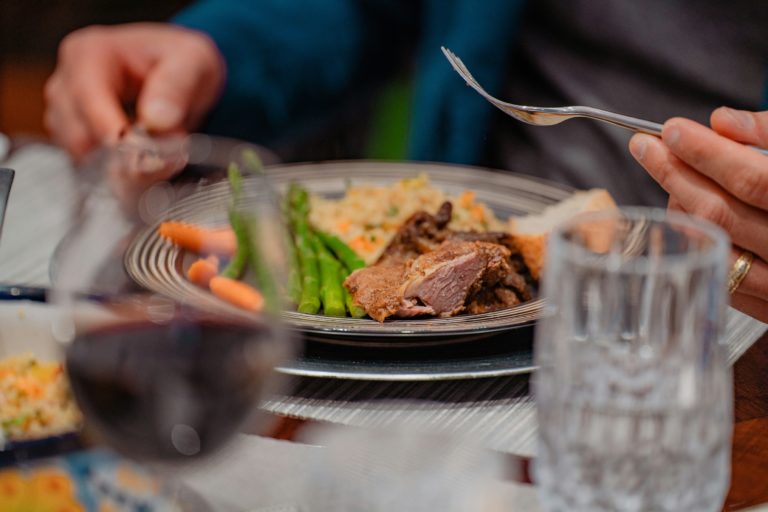
Prioritize protein. Include a meaningful source of high-quality protein at each meal, especially as you get older. Take your MEDS, as they say: meat, eggs, dairy, seafood.
Keep building muscle. Nutrition works much better when your body has a reason to retain lean tissue. Lift weights like your life depends on it.
Eat mostly nutrient-dense, minimally processed foods. Whole foods make it considerably easier to obtain enough protein, fat, vitamins, and minerals without accidentally consuming enormous amounts of energy.
Use carbohydrates according to your needs. A highly active woman and a sedentary woman do not need identical diets simply because they are the same age. Experiment with varying amounts of fruits and starches such as bananas, potatoes, sweet potatoes, oats, and rice to see what works for you to support fitness improvements while maintaining healthy body composition and biomarkers.
Protect your bones before they become a problem. Adequate protein, calcium, vitamin D, vitamin K2, overall nutrition, and regular loading through resistance and weight-bearing exercise through midlife are essential, not optional.
Pay attention to yourself. If you’re hungrier before your period, account for it. If your sleep deteriorates during perimenopause, address it. If you’re losing strength, investigate why. If your activity level has fallen, recognize that your energy needs may have changed.
Women’s nutritional needs do evolve with age, but the human body doesn’t require a new operating manual every time hormone levels change. The biggest shift is simply one of priorities. When you’re young, you can get away with paying relatively little attention to maintaining muscle and bone because you have plenty of both. As the decades pass, preserving those tissues becomes the top priority.
Eat nutritious food: meats and vegetables, nuts and seeds, some fruit, little starch, and no sugar. Lift heavy things. Sprint and stretch. Move around lots. Sleep the best you can. Those recommendations aren’t very exotic. You might even call them boring. But like most things in life, long-term success comes from relentless consistency with the boring basics.
Training Through Menopause: What Does the Evidence Tell Us? (Part 1 of 3)
CrossFit and Menopause: The Case for Training for Life (Part 2 of 3)
About the Author
 Jocelyn Rylee (CF-L4) and her husband David founded CrossFit BRIO in 2008, starting in a modest 1500 sq ft space and focusing on personal training. Her dedication to excellence has also earned her a position on CrossFit LLC’s Level 1 Seminar Staff, a role that allows her to share her passion and expertise with aspiring coaches. Jocelyn holds specialties in Endurance, Gymnastics, Competition, and Weightlifting and is also a certified Strength and Conditioning Specialist through the NSCA. As a Level 2 Olympic Weightlifting Coach and a Level 3 referee, she has been deeply involved in the sport, even serving as a board member of the Saskatchewan Weightlifting Association for five years. Her achievements include being Saskatchewan’s top-ranked female Olympic Weightlifter from 2012 to 2015, during which she held provincial records in the Snatch, Clean & Jerk, and Total in her weight class. With an MS in Human Nutrition, Jocelyn loves sharing her knowledge on nutrition and performance through her blog and Instagram as “The Keto Athlete,” where she delves into the science of nutrition and its impact on athletic performance.