It is a fair question to ask before every session you coach: Do you actually need more than three progression steps to teach a movement, especially in a workout where multiple movements need to be taught? With a little creativity and focus, you may surprise yourself with what you can accomplish using short, simple progressions, although this may place extra demands on your ability to see and correct.
To be clear, there is absolutely a time and place for longer skill progressions. Four, five, or even six steps can be the right call when you are introducing a new movement to a group, running a dedicated skill day, programming a single-modality day (e.g., Isabel or 30 muscle-ups for time), or working with athletes in a one-on-one setting who need to rebuild mechanics from the ground up. But for the majority of your everyday group classes, a tight three-step progression is not just sufficient; it is often the smarter choice. Knowing when to use each approach is one of the marks of a high-level coach.
You Don’t Need to Teach Everything Every Time
If your class includes a large number of new athletes, it might be a good idea to move through a longer progression if time allows. If the group you are coaching is biased toward experienced athletes, there is no need to treat every movement and every class as if your athletes have never seen it before. Most have done thrusters and pull-ups. They have done cleans. Your sole goal in the class is not to deliver a long clinic on muscle-ups at the expense of everything encompassed in a successful class. The end goal is to get athletes moving well and safely so they can train hard, be well coached, and have some fun.
A three-step progression respects their existing exposure to a movement and targets the points of performance most likely to break down under fatigue or load. Trim the fat. Identify the two or three things that matter most for that movement on that day, build your progression around them, and assess and correct movement diligently throughout the process.
More Reps Per Step and Extra Demands on the Coach
Shortening your progression does not always mean doing less work; it means consolidating it. When you have three steps instead of six, each step carries more impact. You can coach athletes through more repetitions at each position, which is beneficial for building pattern and feel.
However, this places a demand on you as the coach. With a longer progression, each step is narrow in scope for you to teach, see, and correct. You are watching for one or two things at a time, making corrections on a small target. With a three-step progression, each step asks your athletes to execute more points of performance, which means you need to be sharper and faster in your seeing and correcting. You need to know which points of performance are most likely to fail first, and you have to be positioned to see them. If you are not genuinely watching during every rep of every step, a shorter progression will cost you. The efficiency gain is real, but it requires you to earn it with focused eyes and quick decision-making.
Look at the following example of the demands placed on seeing and correcting with a three-step progression vs. a longer progression for a power snatch.
Power Snatch (Three-Step Progression)
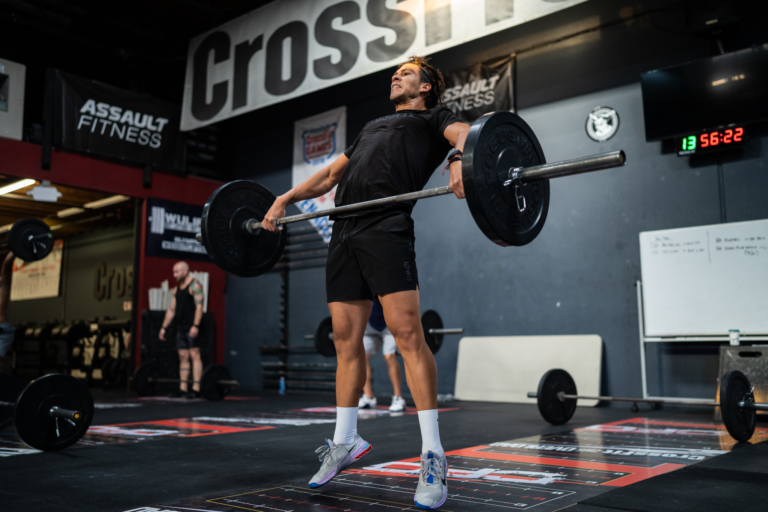
Performed with a PVC pipe after establishing the appropriate grip.
- High hang power snatch // Dip position, full hip extension, bar path, timing of the pull, receiving position (lower-body mechanics), receiving position turnover, active shoulders, and final overhead position.
- Hang power snatch // Shoulders over the bar in the set-up, hips reaching back to initiate the hinge, proper bar placement, pulling the shoulders behind the bar when extending the hips.
- Power snatch // Setup position (heels down, neutral spine, shoulders slightly over the bar, hips and shoulders rise at the same rate, bar stays tight to the legs, hit the correct position of the first pull (~mid-thigh), arms stay long until the first pull is completed.
Power Snatch (Longer Progression)
Performed with a PVC pipe after establishing the appropriate grip.
- Set-up position // Feet under the hips, neutral spine, weight in the heels, shoulders in front of the bar, and eyes on the horizon.
- Deadlift to mid-thigh // Bar stays tight to the body, and hips and shoulders rise at the same rate to the mid-thigh position.
- Deadlift shrugs // Rapid hip extension, then shrug the shoulders.
- Muscle snatches // Pull the elbows high, quick turnover, and active shoulders.
- Snatch drops // Foot position and partial overhead squat mechanics.
- Hang power snatch from mid-thigh // Shoulders over the bar in the hang position, achieving full hip extension.
- Power snatches // Complete the first pull (bar reaches approximately mid-thigh) before initiating the second pull (rapid hip extension).
The Right Tool for Multi-Movement Days
Three-step progressions shine brightest on days when the workout demands instruction across multiple movements, particularly if it includes multiple complex movements and is longer. If your class involves cycling an Olympic lift, a gymnastics skill like a handstand push-up, and a monostructural piece, spending 10 minutes on a six-step progression for one movement may blow your entire class timeline before athletes even touch a barbell at working weight.
A tight progression for each movement, or at least one of them, allows you to teach with intention, maintain athlete engagement throughout the skill session, and still leave time for the things that matter most, like quality reps and coaching under load. Using three-step progressions is not a shortcut; it is a commitment to focused, purposeful instruction across everything your athletes need to do that day.
More Time Assessing Athletes Under Load
One of the most undervalued benefits of a shorter progression is what it gives you back: time. Time to watch athletes move with weight on the bar. Time to intervene during the actual warm-up sets when the movement starts to look different. Time to make scaling decisions before the clock starts.
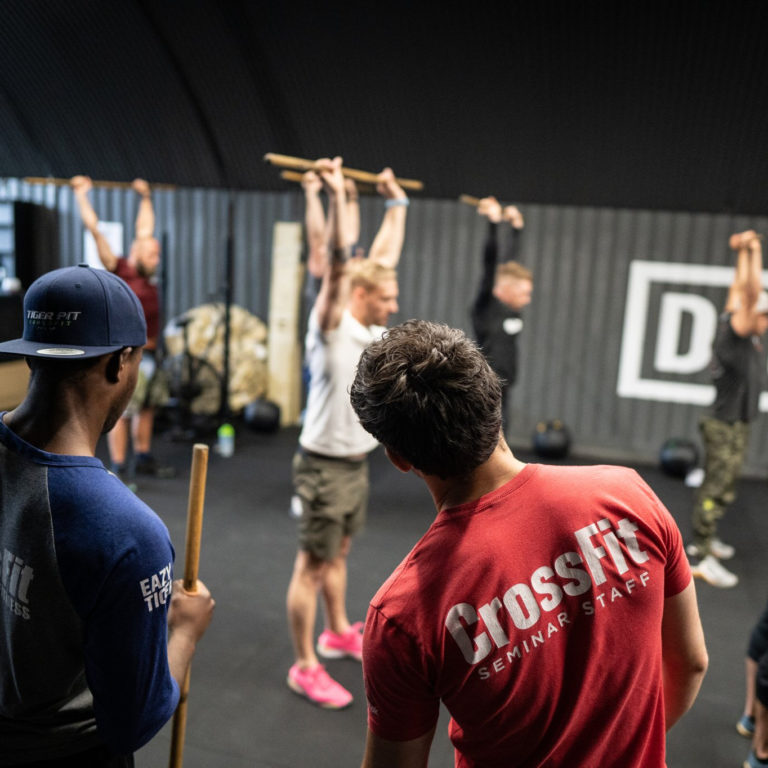
A prolonged instructional segment eats into the period when your coaching is most needed: the buildup. Allocating time for athletes to practice under load is not only valuable for assessing mechanics as the weight increases; it is also a critical part of the class that allows you, the coach, to guide athletes to appropriate loads and scaling options.
Using the General Warm-Up to Do the Heavy Lifting
A three-step progression becomes even more effective when you treat the general warm-up as part of the teaching continuum rather than a separate event. If hip hinge mechanics show up in your general warm-up through exercises like Romanian deadlifts or good mornings, by the time you reach your specific warm-up, athletes have already primed the foundational pattern, and you have had a chance to assess and correct it. Your three steps can start from a more developed position. You are not building from zero; you are refining from a base.
This takes intentional thought devoted to your lesson plan. The general warm-up needs to preview the day’s movement demands, not just elevate heart rate. When it does, your specific warm-up becomes a focused bridge between the general prep and building working loads or movement variations, and three steps are more than enough to cross it.
Less Whiteboard, More Watching
Longer progressions have their place, and skilled coaches know when to use them. But the ability to distill a movement into three clear, purposeful steps and then coach them sharply is one of the most practical skills you can develop. Less time at the whiteboard. More time watching your athletes move. That is where the coaching happens.
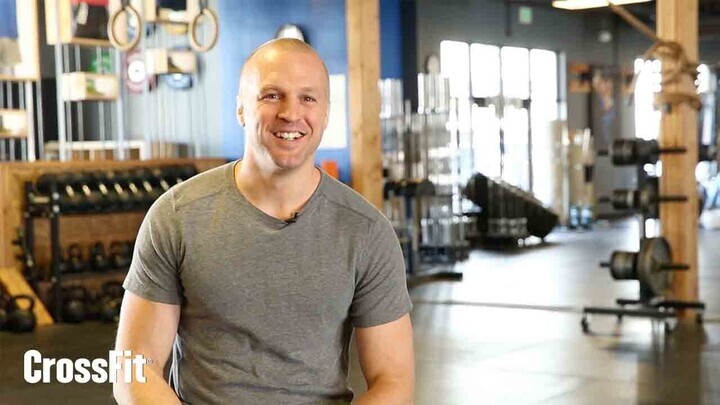 Eric O’Connor is a Content Developer and Seminar Staff Flowmaster for CrossFit’s Education Department and the co-creator of the former CrossFit Competitor’s Course. He has led over 400 seminars and has over a decade of experience coaching at a CrossFit affiliate. He is a