The curriculum at a CrossFit Level 1 or Level 2 Certificate Course is exceptional. Coaches who’ve staffed hundreds of these courses will tell you that without hesitation. But they’ll also tell you something else: the most valuable things that happen over those two days aren’t listed anywhere on the agenda.
If you’d prefer to watch and listen to this conversation, you can do that here.
What You Can’t Learn From a Book
There’s a version of coaching education that lives on paper — articles, videos, lecture slides, programming guides. All of it is useful, but none of it can show you where to stand. None of it can demonstrate how to layer a cue when the first one didn’t land, or the second, or the third. None of it can model the patience required when someone genuinely isn’t getting it, or the exact moment when a celebration between coach and athlete is the right move.
These are things you have to see. And the breakout groups at a CrossFit Level 1 and Level 2 — those small, hands-on sessions with experienced trainers — put them right in front of you.
A kinesiology degree and four years of reading will get you a lot of things. What it doesn’t always give you is the ability to stand in front of a person who’s learning an air squat and know what to do next. The Level 1 gives you that. Not through more reading, but through doing — watching, being corrected, correcting others, and starting to develop the eye.
Unscripted Is the Point
One of the most underrated aspects of these courses is that the coaching moments during workouts aren’t staged. Participants go hard. They’re tired, competitive, running low on oxygen. And the trainers work through it in real time — moving through the room, reading what’s in front of them, making calls on the fly.
That’s the thing about coaching: it’s always unscripted. No two athletes move the same way. No cue works for every person. And seeing an experienced coach work through a genuinely unexpected situation — not knowing exactly how to fix something, trying a different approach, staying patient — is one of the most instructive things a developing coach can witness.
There’s a story worth telling here. During a course for Navy SEALs, CrossFit founder Greg Glassman spent several minutes trying to help an athlete who could not open his hip during a dumbbell squat snatch. Nothing was connecting. And instead of pushing through or deflecting, he acknowledged it directly: I’m missing something. I’m struggling with this. He handed the athlete off to another trainer and kept working on the problem.
That moment wasn’t a failure. It was a masterclass. It showed that the goal of every correction isn’t a fix, it’s a process. The best coaches don’t put the problem on the athlete. They put it on themselves.
The Conversations That Aren’t on the Schedule
Ask coaches what they remember most, and many of them will mention something that happened at lunch. Or during a break. Or in a side conversation after a session wound down.
These are the moments where you get to ask the specific question you’ve been sitting on — about something you’ve been seeing in your gym, a movement fault you can’t crack, a programming question you haven’t been able to answer. And you get a real answer from someone who’s worked through it before, in the context of an actual discussion.
That’s not something any online course can replicate. It happens because you’re there.
Why Experienced Coaches Keep Coming Back
Here’s what’s worth noting: the coaches who staff these courses — some of whom have attended or taught many hundreds of them — consistently leave having learned something. Not because the curriculum changed, but because the interaction is never the same twice.
Different athletes. Different movement patterns. Different questions from the room. Different moments of unexpected coaching nobody planned for.
And the feedback from participants tells the same story every time: I’m fired up to go, coach. Not just informed. Not just credentialed. Motivated, refocused, and ready to walk back into the gym differently than they left it.
That’s the thing no course outline can promise, but it keeps happening anyway. Because coaching is a human endeavor, and being around excellent coaches doing it well has a way of reminding you why you’re doing this. And maybe why you are considering sharing it with others by becoming a coach.
About the Author
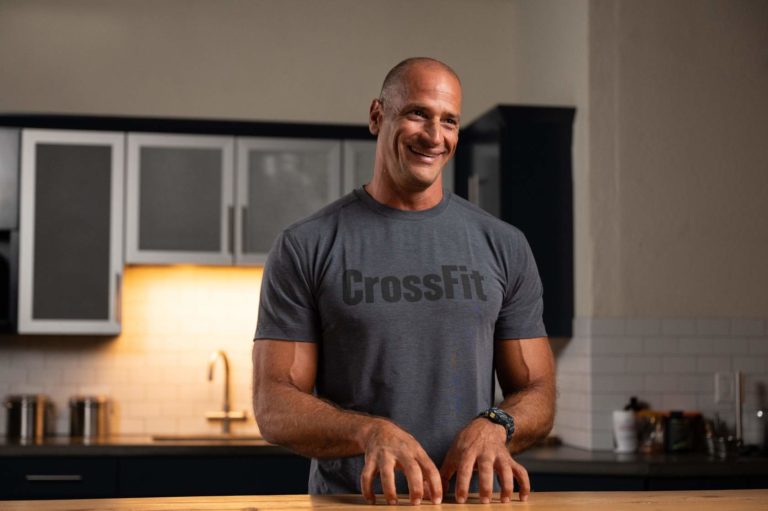 Stephane Rochet is a Senior Content Writer for CrossFit. He has worked as a Flowmaster on the CrossFit Seminar Staff and has over 15 years of experience as a collegiate/tactical strength and conditioning coach. He is a Certified CrossFit Trainer (CF-L3) and trains athletes in his garage.