Every CrossFit gym has its creatures of habit. Watch any class, and you will spot them instantly. Athletes gravitate toward the same pull-up bar for gymnastics volume. They claim the same square of rubber matting. They approach the barbell with a synchronized, unvarying choreography. These movement rituals are everywhere in our community, and chances are, you have one of your own.
Your setup habits are not accidental. Every rep starts with your feet. Coaches cue “drive through the floor” or “keep weight distributed across the mid-foot” for a reason: your base of support determines everything that happens above it. Over time, those cues evolve into the neurological baseline or routine you fall back on when the intensity ramps up.
Decoding Your Own Rituals
Your routine starts the moment you walk into the gym. If someone else takes your cubby or your usual spot on the mat, your mental preparation takes a hit. If you are a creature of habit, that small disruption can throw off your whole session before the warm-up even starts.
Once the barbell loads get heavier, you lean harder into your physical triggers. Watch closely during any session, and you will see a handful of setup habits repeat themselves. See if you recognize yourself in one of these:
- The Stomper: Common during deadlift setup. As you address the barbell, one aggressive foot strike signals your central nervous system that it is time to lock in, hinge, and create tension in the posterior chain.
- The Fire Extinguisher: A common ritual before front or back squats out of the rack. You grind the ball of your foot into the rubber matting like extinguishing a cigarette butt, torquing your hips into external rotation before settling into your stance.
- The Rock-and-Roller: Typically shows up before overhead pressing or jerking. You shift your weight from heel to toe two or three times in the front rack, hunting for your center of mass before stepping back into your lifting stance.
- The Donkey Kick: A rare but fascinating one. A distinct backward leg kick while setting the back-rack position. Ask around, and the reason is usually the same: “My right hip feels tight, and this helps me find my position.”
Building From the Ground Up
Your goal is to move through a full range of motion while holding the points of performance your coach has taught you. Start by paying attention to your own feet before every lift, then work your awareness upward. That quirky habit you have always had is not just a quirk. It reflects your physical history, your body awareness, and how you mentally prepare for a heavy load.
Talk to your coach about what you notice. A strong coach-athlete relationship helps you figure out whether your ritual is helping you or working against you. Whether you stomp, twist, rock, or kick, those “happy feet” are chasing stability, confidence, and safety. Learn to trust that routine, tighten up your base of support, and let that foundation carry you to your next PR.
About the Author
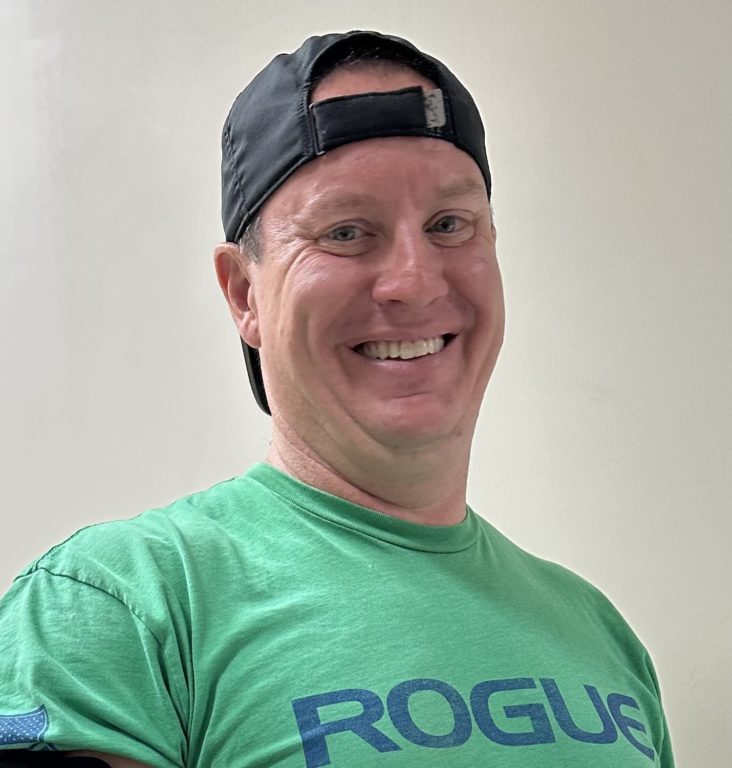
Jason Watson (CF-L2) coaches at CrossFit Sacred Pine in Ladson, South Carolina. He started CrossFit in late 2016, has been coaching since 2019, and is now studying for the Level 3 exam. Outside the gym, he has worked in software quality assurance for the Department of Veterans Affairs for 16 years. Watson and his wife, Connie, met through CrossFit, and have three children and a house full of cats.