The successful CrossFit affiliate relies on three pillars: coaching, community, and classes (aka programming). This article examines how programming can impact all three and serve as an effective tool for coach development.
Programming encompasses all components necessary to run effective classes, including workouts, lesson plans, movement progressions, coaching cues, and performance focal points. While classes can function without these elements, they are essential for world-class coaching.
Defining Coach Development and Its Purpose
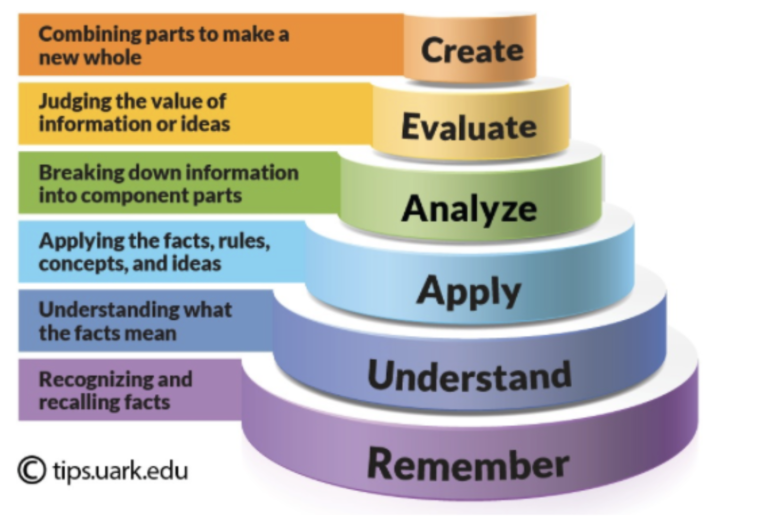
Coach development is the intentional advancement of abilities to teach, observe, correct, manage groups, connect with athletes, and demonstrate movements, as well as CrossFit methodology, in group settings. Using Bloom’s taxonomy as our framework, CrossFit education guides coaches through progressive learning levels: from understanding/remembering (L1) to applying (L2), then analyzing/evaluating (L3), and finally creating.
At the creating level, coaches can “put elements together to form a coherent whole and reorganize them into new patterns through generating, planning, and producing.” These advanced coaches respond dynamically to situations and personalize each athlete’s experience within the group class format.
Benefits of In-House Programming
Just as a well-tailored suit fits better than off-the-rack clothing, in-house programming allows you to tailor workouts to your facility’s space, equipment, and athletes’ abilities rather than forcing them to adapt to programming that doesn’t take all those things into account.
In-house programming also leverages the expertise of your coaching staff. Your gymnastics specialist can design handstand walk progressions, while your Olympic lifting expert creates targeted strength cycles.
Most importantly, creating your own programming forces intentionality. You must be able to explain the “why” behind every element: how movements complement each other, what stimulus you’re targeting, and how warm-ups support the session’s focus. From a broader perspective, you’ll also be forced to consider accumulated fatigue across training days and strategically plan which skills to test and retest throughout each cycle.
Benefits of Outsourced Programming
As Isaac Newton said, “If I have seen further, it is by standing on the shoulders of giants.” CrossFit itself was built on foundations from other athletic disciplines, so why not apply this principle to your programming?
When you want to improve rowing technique, you don’t just study CrossFit athletes — you learn from rowing experts. If you want to enhance your Olympic weightlifting or gymnastics, you may seek out trusted specialists in those domains.
You can apply the same logic to programming. Outsourced programs, such as CAP (CrossFit Affiliate Programming), a comprehensive programming toolkit available for free to all CrossFit affiliates, or other online programming platforms, expose you to different styles, time domains, and movements that counteract your natural training biases. When did you last program floating snatches or three-position pause cleans? Outside programming fills these gaps and expands your athletes’ exposure to varied stimuli.
—————————–
Affiliate Owners – How to Use In-House Programming for Coach Development
One Class
Give coaches a workout with its intended stimulus (e.g., 5×5 back squats) and have them create a thorough lesson plan. The plan must fit all class components within 60 minutes while keeping the session engaging for both coaches and athletes.
One Week
Have coaches program an entire week’s worth of lesson plans. They must create workouts, define each stimulus, and provide coaching focus areas for other staff members. Coaches should clearly explain which days emphasize skill practice, conditioning, or testing/max effort work.
One Cycle (4-8 weeks)
Have the coach write an entire cycle of programming. The emphasis should be on defining the purpose of the training cycle and the methods for testing and retesting. After the cycle, they should note whether the training goals were achieved. Consider using the conjugate method and employing multiple lifts based on a specific movement pattern. For example, if the goal is to increase the max back squat, the programming should include multiple types of squats (back, front, overhead, box, pause, tempo, etc.) and modifying sets, reps, and timing for the lifts.
—————————–
Coaches – Programming Drills to Execute for Personal Development
If you are in a position where the recommendations mentioned above are not viable, there are still drills you can initiate to enhance your development, even if the programming cannot be utilized in a coaching session.
One Day
Analyze three days of programming, either from your gym or from a resource like CrossFit.com. Program one workout with an intention in mind, based on the previous three days of programming. After designing the workout, create a 60-minute class plan that includes a whiteboard script (workout education), scaling options, equipment organization, timeline, general warm-up, specific warm-up, and cool-down. Review the programmed workout and class plan with another coach to assess the accuracy.
One Week
Program a rough draft of one week of workouts, considering variance across the week. Analyze the workouts and make adjustments as needed to ensure that nothing significant has been overlooked. Design class plans for each workout based on movement functionality, duration of effort, and loading in mind. Analyze the plans by asking the following questions: Do the warm-up movements make sense for the programmed workouts? Is there adequate planning to refine mechanics? Is there sufficient time to assess movement under load? Are the cool-downs being utilized effectively? Have a fellow coach assess the week of workouts for variance and review each lesson plan for accuracy.
Long-Term Program Design
Create a 6-8-week programming block with a target in mind. First, create a test week that takes into account two items you would like to focus on for this training block. Then, create a weekly or 10-day template that you would like to adhere to. This template should be structured in a manner that allows for a slightly higher frequency of the two areas you want to focus on (targeting) while not significantly sacrificing fitness in other domains. After creating the template program, specific workouts are assigned for each week, and a retesting week is included at the conclusion of the cycle. After completing the cycle, have a fellow coach assess it and its practicality in a group class setting. The goal of this drill is to demonstrate an understanding of how to organize and structure a weekly workout progression, including warm-ups and cool-downs. Test the programming cycle on yourself.
——————————
Affiliate Owners – How to Use Outsourced Programming for Coach Development
One Class
Give the coach a workout and lesson plan that introduces a new skill, cueing strategy, or progression. Assess their ability to implement the new skill and scale it for their athletes.
One Week
Have coaches deliver a full week of programming focused on daily athlete improvement. Rather than treating each day as a standalone workout or simply following the programming as a script, coaches must provide positive cues and create opportunities for success for every athlete. They should also ensure that athletes achieve the intended stimulus for each workout by assessing individual needs, monitoring fatigue levels, and scaling the workout appropriately. Coaches who treat every class as a “full-send” or redline day risk injuring their athletes.
One Cycle (4, 6, 8 weeks)
Utilize an outsourced program for a comprehensive cycle, targeting a specific lift or skill. This exposes athletes to unfamiliar training styles, requiring coaches to motivate them through the discomfort of new methods. Coaches must assess how athletes respond to different skills and stimuli, then spend considerable time analyzing athletes’ progress throughout the cycle. For example, implement a 6-week double-under improvement program.
——————————
Coaches – How to Use Outsourced Programming for Coach Development
If you are in a position where the recommendations mentioned above are not feasible, there are drills you can implement using outsourced programming to continue driving your coaching development.
One-on-One Session
Take a workout that contains movements, skill work, and a workout prescription that you have difficulty coaching. Coach a single athlete through the session, focusing on your teaching, seeing, and correcting skills, and scaling options. Assess your ability to implement this session with your athlete.
After completing the one-on-one session, coach a class through this workout later in the week.
If you don’t have access to a full class plan, take a workout from CrossFit.com and create a lesson plan based on it.
One Week – 4 Days of Drills
Take a whole week of programming from your outsourced programming resource and perform the following drills:
Day 1: Create a lesson plan for one of the workouts and compare it to the one outlined in the lesson plan provided by the programming resource. Compare elements like time allocation for each section, your teaching progression, overall timeline, scaling options, and specific movements for sections like the general warm-ups and cool-down.
Day 2: Create a whiteboard brief that entails education on the intended stimulus for one of the workouts of the week. Consider educating athletes on the time parameters (or estimated number of rounds to complete), how the workout will feel, loading guidelines, and scaling options.
Day 3: Take a workout from your outsourced programming resource and list five common faults for each movement. Write three cues or corrective strategies that may be effective in correcting each fault.
Day 4: Take a workout from your programming resource and consider threshold training. Write what you will do during the build-up time to ensure athletes have the appropriate load and scaling options to challenge their threshold. The second exercise is to visualize the class and list a scenario that may arise, demonstrating how the athlete is working at threshold, above their threshold, and below their threshold. What will you do to coach these athletes most effectively?
Conclusion
Coach development does not happen by accident. Just as a coach challenges their athletes in a class, an affiliate-owner should push their coaching staff to grow their skills. In-house programming provides the opportunity for creativity and flexibility. Outsourced programming introduces new tools, perspectives, and experiences. A combination of both methodologies serves as an effective tool for coach development.
 Michael Nettis (CF-L3) started CrossFit in 2011 in Montgomery, Alabama. He currently runs the Strength and Conditioning program at Basin Climbing and Fitness. He has been coaching CrossFit full-time since 2021 and has coached at gyms in Florida, Ohio, and Texas. Before CrossFit, Michael was an officer in the United States Air Force. He lives in Waco, Texas, with his wife, Kimber, and son, Donny, and they spend their time outside the gym rock climbing and mountain biking.