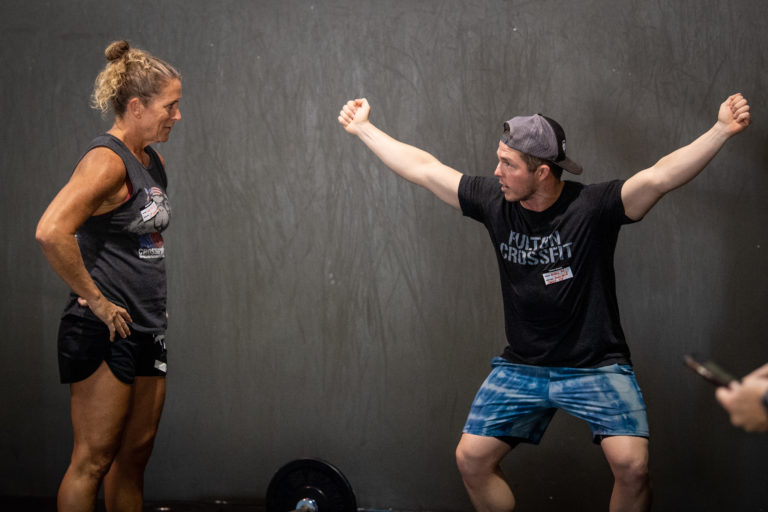
The 2022 NOBULL CrossFit Open is quickly approaching and for many athletes, so is the nervous excitement that comes with it. The Open is a great opportunity to bring your community together, but it also has the potential to bring out uncertainty and insecurity in your athletes. Athletes often become extra critical of their performances, and get down on themselves when they can’t do a programmed movement or see others with far better scores on the leaderboard. As coaches, it’s our job to help our athletes overcome these pain points and give them the tools to ensure they not only have a better Open experience this year, but for many years to come.
Below are four types of movements that are likely to show up in the Open and tips on how to coach your athletes through them, plus one strategy that will serve your athletes no matter what time of year it is.
Muscle-ups
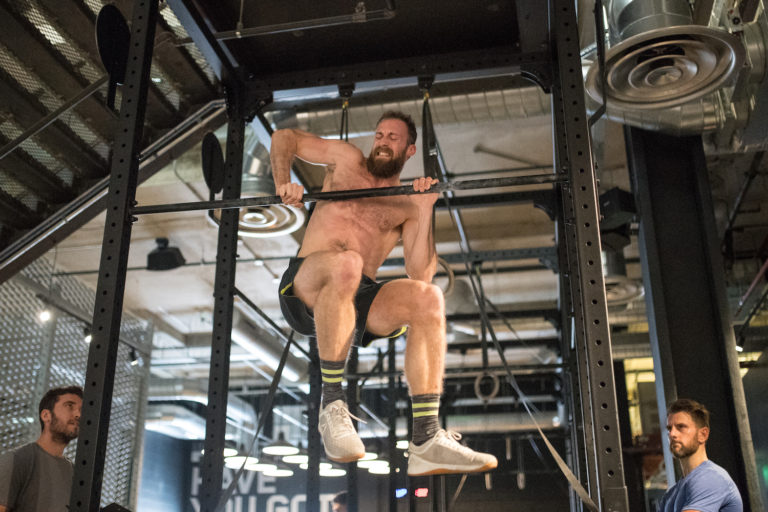
Muscle-ups (ring and bar) and gymnastics skills in general are challenging for many athletes. This could be due to a lack of year-round preparation on the part of the athlete, or because the movements are rarely or never programmed at their affiliate. If the second half of that sentence made you shift in your seat, we’ve got you covered. Look forward to future articles that will discuss how to include these high-skill movements in your programming.
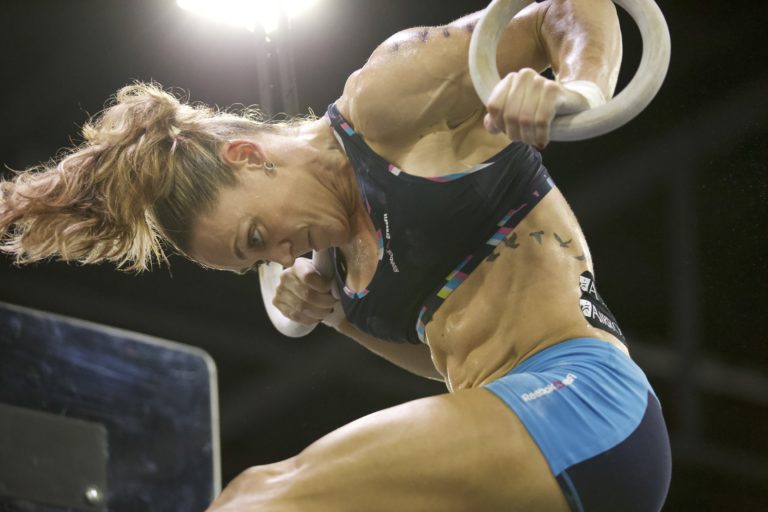
Talayna Fortunato
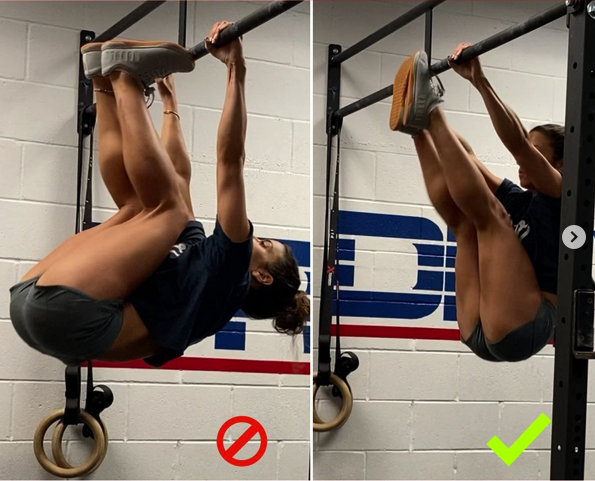
For now, we’ll touch base on a common fault we see when athletes are doing muscle-ups: the chicken wing. The dreaded chicken wing happens when an athlete doesn’t get high enough to travel their shoulders equally over the rings. Because they are close to being high enough, they can flail one side of the body over one ring, catch themselves on top of the rings, and then hitch the other arm over in what becomes a two-part movement. At worst, this can lead to an injury, and at best, the athlete will be inefficient in the movement leading to failed reps. From a coaching standpoint, assuming the athlete has adequate strength, two things tend to be the primary causes:
- The athlete separates their feet on the kip.
- The athlete doesn’t get enough height on the back swing.