At CrossFit Enduro, we have coached athletes through first pull-ups, pregnancy, postnatal comebacks, nutrition resets, and more. But one phase of life that too often gets left out of the conversation, even inside a CrossFit gym, is menopause.
So, we decided to lean in.
We recently completed an informal 30-day observational study with 11 women navigating perimenopause and menopause. Our goal was to explore how consistent CrossFit training, combined with eating unprocessed food, might influence symptoms that many women silently battle, such as brain fog, hot flashes, sleep disruption, and mood swings.

What Is Perimenopause?
Perimenopause begins the journey to menopause, typically emerging in a woman’s mid-30s to early 40s and continuing for several years. During this phase, hormonal shifts trigger disruptive symptoms — poor sleep, brain fog, and mood fluctuations become familiar companions.
Many women navigate this transition undiagnosed for years without regular hormone testing or knowledgeable medical guidance. Instead of recognizing a biological shift, they experience a puzzling decline in performance and well-being. The earlier this phase begins, the more likely women are to blame themselves for their unexplained fatigue and mental cloudiness, searching for personal failings rather than recognizing a natural hormonal evolution.
What Is Menopause?
Menopause typically happens between the ages of 45 and 55 and is marked by 12 months without a period, but for many women, the journey is anything but straightforward. Hormone shifts, especially drops in estrogen and progesterone, can bring years of physical and emotional changes that leave women feeling like strangers in their own bodies. While tracking periods isn’t always reliable, blood work can help provide clarity and support through this significant life transition.
The Framework
This real-world study tracked women at an actual CrossFit affiliate as they trained, ate mindfully, and monitored their progress. Each participant:
- Recorded daily symptom severity (0-10 scale)
- Tracked mood, sleep quality, and nutrition adherence
- Documented menopause-specific symptoms
- Followed a three-to-five-times weekly CrossFit regimen and ate very few processed foods
We analyzed results from the whole group and a highly compliant subgroup (those logging 20+ days with 75%+ nutrition adherence).
What We Found
Despite the small sample size, results revealed a clear pattern:
- Everyone felt better. All participants reported noticeable improvement in their symptoms, with severity dropping by nearly a full point on our rating scale.
- Consistency paid off. Those who stuck with the program most faithfully saw almost three times more improvement than the average participant.
- Calm replaced mood swings. By the end of the study, participants most commonly described their mood as “calm,” a significant shift from their starting state.
- Brain fog cleared completely. Perhaps most remarkably, the frustrating mental cloudiness that participants initially struggled with disappeared entirely after only three weeks.
While not reaching statistical significance due to sample size, we still saw that the women who combined functional movements at appropriate intensity with good nutrition and consistent reflection experienced noticeable improvement in menopausal symptoms.
Why Your Coaching Matters
As professional coaches, our job goes beyond improving Fran times or refining mechanics — we help elevate our athletes’ quality of life. During life phases like menopause, that responsibility may look different.
If you coach women in their 40s and 50s, you’ve likely heard:
- “I’m gaining weight, but nothing has changed in my diet or training.”
- “I don’t recover like I used to.”
- “I feel off — mentally and physically.”
- “I want to train, but I just don’t feel like it.”
These aren’t complaints; they’re invitations to engage more deeply.
What Menopause Coaching Looks Like
It starts with listening, learning, and leading with compassion. Great coaching in this phase means:
- Normalizing the conversation
- Offering structure and accountability
- Providing real-time feedback on what works
- Educating yourself so you can better support women, even if you’re not (and never will) experiencing it yourself
What Gets in the Way
When you pause and ask, “Tell me more…,” you’ll often uncover:
- Unpredictable energy and mood shifts
- Poor sleep and slower recovery
- Unexplained body changes or weight gain
- Confidence dips when effort doesn’t match performance
How You Make a Difference
This is where things get noisy. The internet may say, “Slow down. Stick to yoga. Avoid intensity.” But your athlete doesn’t need kid gloves; she needs a coach.
Support her with:
- Compassionate coaching through a confusing transition
- Encouragement to show up and connect with her gym community
- Tools to build awareness, so she knows when to push and when to pause
- A consistent environment where success means moving well and giving her best effort
What Still Works
Stick to the basics. Teach and refine foundational lifts: deadlifts, squats, presses, cleans, snatches. Develop gymnastics skills. Include occasional sprints. Prioritize intention — pair training with real, unprocessed food.
The formula for world-class fitness still applies, and it’s simple, effective, and powerful when tailored with care.
Health, Fitness, and Model 4
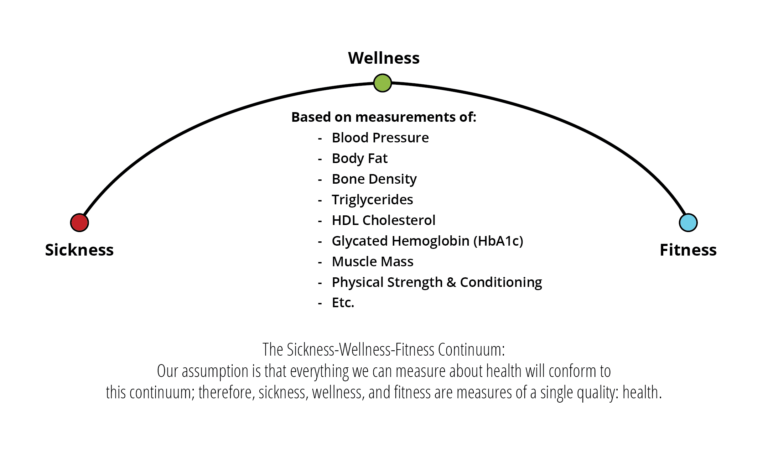
Our entire approach was grounded in CrossFit’s Model 4, the sickness–wellness–fitness continuum, first introduced by Greg Glassman in the 2002 “What Is Fitness?” article.
“Fitness is a hedge against sickness,” Glassman wrote.
It’s not an aesthetic goal — it’s a clinical trajectory — a health safeguard.
Coming back to our study, we saw this in action. These women did not need fixing. They needed coaching, support, and structure. And by moving more days than not, eating more real food than not, and reflecting honestly, they shifted upward toward wellness, fitness, and a version of midlife that is not something to fear but something to train for.
Why This Matters for Every Affiliate
This is not a side project. At some point, perimenopause and menopause will affect half of your membership, and a CrossFit affiliate is uniquely positioned to support these women.
We already have what is needed:
- Community
- Consistency
- Courage to talk about what others won’t
At CrossFit Enduro, we believe this is the work. This is the evolution of the professional coach: training humans, not just athletes. We coach through hormonal transitions like we coach through squat therapy — with patience, precision, and a belief in what is possible on the other side.
Have a question for a coach? Please submit that here.