Question
Could soybean oil affect gene expression in the hypothalamus?
Takeaway
This 2020 mouse study indicates a diet rich in soybean oil, compared to a diet containing a similar amount of saturated fat, leads to changes in the expression of genes associated with inflammation, neuroendocrine function, and neurological signaling. These shifts suggest mechanisms by which soybean oil may have contributed to the rise in obesity and diabetes, given the dramatic increase in the oil’s consumption in the 20th century. Further research is needed to confirm the significance of these findings.
A growing body of evidence suggests polyunsaturated fats contribute to the obesity epidemic (1). Soybean oil consumption increased more than 1,000-fold in the U.S. in the 20th century, and consumption of linoleic acid has increased from less than 1% of total calories to 7.4% (2). Rat studies have indicated diets rich in soybean oil contribute to the development of obesity and diabetes.
This may be due to the effect of soybean oil on the hypothalamus, the region of the brain that regulates nutritional status and controls food intake, energy balance, and homeostasis (3). Previous research has shown alterations in dietary unsaturated fat intake modulate fatty acid levels in the brain, and with them, gene expression (4).
This study tested such hypothalamic effects, comparing the impact of four diets with differing amounts of linoleic acid and/or saturated vs. unsaturated fat. Mice were fed one of five diets: 1) a low-fat control diet, or 2) a diet with 40% of calories coming from coconut oil (saturated fat), 3) a mix of coconut and soybean oil (unsaturated fat), 4) a mix of coconut oil and a modified soybean oil containing no linoleic acid, or 5) coconut oil with added stigmasterol (ST). Comparing these diets allowed researchers to isolate the effects of all saturated fats, and linoleic oil specifically, on hypothalamic gene expression.
Diets high in soybean oil led to dysregulation of a variety of genes, as shown in the figure below. This included dysregulation of genes related to neuroendocrine processes, inflammation, and insulin and growth factor signaling. Researchers focused particularly on the effect of soybean oil on oxytocin (OXT) regulation.
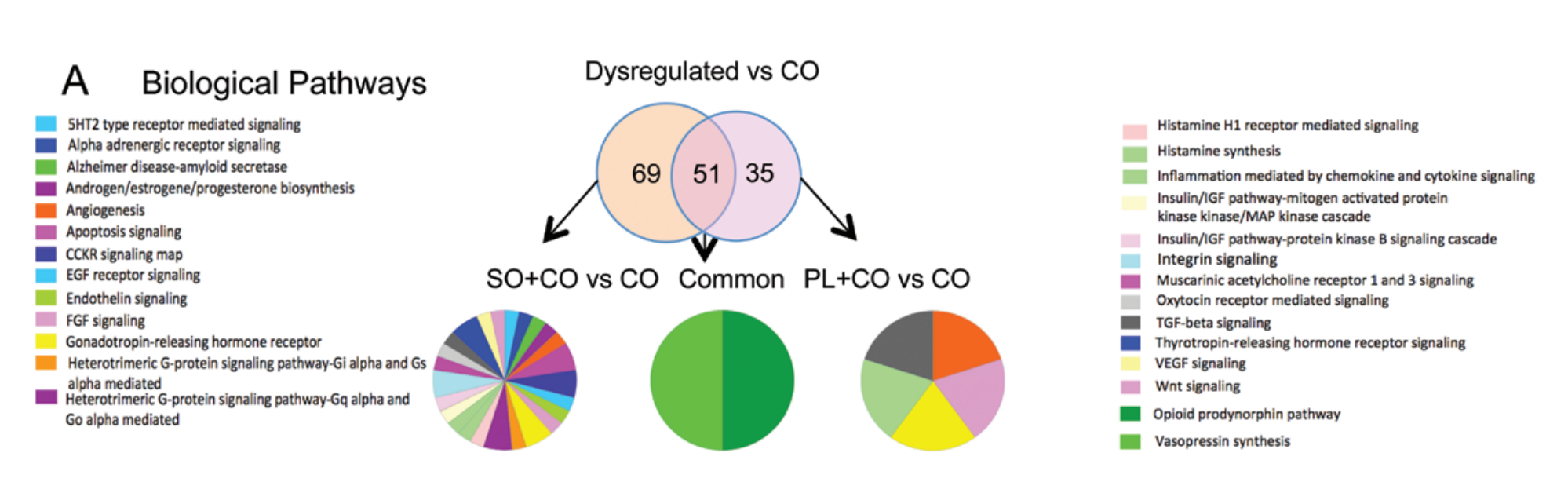
Oxytocin plays an important role in the regulation of energy balance, body weight, and homeostasis (5). In this study, diets rich in soybean oil more than doubled plasma OXT levels relative to the coconut oil and control diets, with little variation occurring between the diets that differed only in their levels of linoleic acid. Notably, OXT is believed to regulate eating behavior and satiety, but these shifts were not correlated with any significant difference in food consumption between diets (6). Defective OXT signaling is also associated with a variety of neurological disorders, including depression, schizophrenia, and autism (7). This dysregulation, along with the dysregulation of other genes associated with schizophrenia, depression, anxiety, and Alzheimer’s disease on a diet rich in soybean oil, suggests the oil may have potential long-term impacts on mental health.
Given this was a gene regulation study in mice, these effects are extremely preliminary. In light of the dramatic increase in soybean oil consumption in the United States in the 20th century, however, and the ubiquity of soybean oil in the current American diet, even small deleterious effects will affect a large segment of the population. Further research is needed to explore the validity and clinical significance of these associations.