If you’ve ever insisted on doing a workout “as prescribed” (Rx’d) despite struggling with the movements or taking forever to finish, this article is for you. Maybe you’ve powered through a three-hour Kalsu or suffered through a 15-minute Fran, thinking you were being tough. But here’s the truth: refusing to scale when you should isn’t toughness; it’s more likely your ego getting in the way of progress.
The Problem with the “Rx’d or Nothing” Mentality
We’ve all seen (or been) that person who refuses to scale, no matter what. Poor technique? It doesn’t matter because it says Rx’d next to the name on the board. Taking three times longer than intended? They’re still going Rx’d even if it means missing the entire point of the workout.
This stubborn approach isn’t just misguided, it’s counterproductive. When ego drives your training decisions, you miss out on the fitness gains CrossFit can deliver. Worse, you’re setting yourself up for frustration, stagnation, and potential injury. Those who insist on going Rx’d no matter what are often the same people who quit CrossFit years later, claiming “it doesn’t work” because they were always hurt and never improved.
Why Scaling Actually Makes You Better
Scaling serves two crucial purposes:
- Keeps You Safe and Moving Well: Scaling allows you to maintain good technique throughout the entire workout. Better to do Fran with an empty barbell and ring rows while moving perfectly and not spending any time staring at the bar than to struggle with poor form under a bar that’s beyond your ability.
- Hits the Intended Target: Every workout has a purpose or specific stimulus it’s designed to create. Fran should have you moving quickly between thrusters and pull-ups with minimal rest, finishing in under 10 minutes. If you’re so taxed that you’re resting for a long time between reps, you’re doing a completely different workout than intended.
You Have to Earn Rx’d
Think of Rx’d as a privilege you earn, not a right you’re entitled to. To earn it, you need to demonstrate two things:
- Mechanics: You can perform the movements with proper technique at the prescribed weight.
- Intensity: You can complete the workout fast enough (or get enough reps) to achieve the intended stimulus.
If you can’t do both, you should scale. And that’s not a failure — it’s smart training.
How to Embrace Scaling
Start With the Right Mindset: Scaling isn’t admitting weakness; it’s training intelligently. The strongest, fittest people in your gym likely scale more often than you think.
Work With Your Coach: When your coach suggests scaling, listen. They’re not trying to hold you back; they’re trying to help you progress faster and safer.
Focus on Movement Quality: Perfect your technique at lighter weights before adding load. Master ring rows before attempting pull-ups. Your future self will thank you.
Chase the Stimulus: Ask yourself, “What is this workout supposed to feel like?” Then scale accordingly to achieve that feeling.
Be Patient with the Process: Earning Rx’d takes time. Celebrate the small victories — your first unbroken set, improved technique, or hitting the intended time domain.
The Bottom Line
Your ego wants you to go Rx’d. Your results want you to scale appropriately. As CrossFit Linchpin owner Pat Sherwood says, “Scale more, more often.”
The goal isn’t to impress people in your class or on social media, or to even impress yourself; it’s to get fitter, stronger, and healthier. Sometimes that means checking your pride at the door and choosing the scaling option that will actually make you better. CrossFit and health are marathons, not sprints. Respect the work it takes, trust the process, trust your coach, and trust that by scaling today, you may earn Rx’d tomorrow.
About the Author
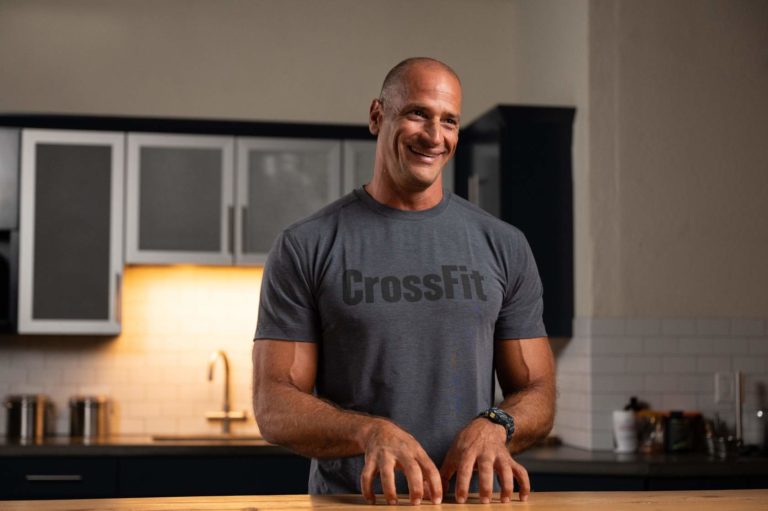 Stephane Rochet is a Senior Content Writer for CrossFit. He has worked as a Flowmaster on the CrossFit Seminar Staff and has over 15 years of experience as a collegiate/tactical strength and conditioning coach. He is a Certified CrossFit Trainer (CF-L3) and enjoys training athletes in his garage gym.