The global weight-loss industry surpassed $200 billion in 2022, and there are zero signs of a slowdown. With more weight loss diets, drugs, and protocols than anyone can count, the noise has never been louder — everyone either has a singular cure they’re shouting from the rooftops or is desperately cycling through the latest weight loss trend that crosses their feed. Yet despite this explosion of options and information, obesity rates continue to climb, and confusion reigns supreme.
In this chaotic landscape, nuanced conversations about what actually works get drowned out by dogmatic absolutism and tribal warfare. It’s no wonder that when we engage in discussions about effective approaches to nutrition and sustainable health — the kind that help land people on the fitness side of the sickness-wellness-fitness continuum — we’re met with both genuine curiosity and fierce resistance.
Dr. Jason Fung, a guest on the CrossFit Podcast and a world-renowned nephrologist and expert in intermittent fasting and low-carb nutrition, utilizes these approaches to treat and reverse metabolic diseases, such as Type 2 diabetes and obesity, in his patients. Like many who challenge “conventional wisdom,” Fung has drawn criticism for arguing that obesity is not simply a result of an imbalance between “calories in, calories out.” His research and experience have led him to argue that obesity is instead primarily driven by hormonal factors, particularly insulin resistance, which aligns very well with CrossFit’s stance on this topic. Dr. Fung has achieved excellent results helping his clients reduce insulin through fasting and achieve lasting weight loss. He has also been a favorite of the CrossFit community for battling the medical establishment and offering methods that work.
Despite his track record and the results he’s achieved with his patients, Fung often faces fierce criticism online. Rather than thoughtful discussion and disagreement supported by personal experience or information from other experts, the discourse frequently devolves into name-calling and self-righteous proclamations that he doesn’t know what he’s talking about — simply because his conclusions from research and medical practice don’t align with the nutritional gospel certain critics believe, worship, and base their entire brand upon.
This reaction reveals a troubling trend: nutrition has become a battleground of absolutes, where nuance is dismissed and anyone who challenges the dominant narrative is shouted down rather than engaged intellectually.
The White Belt Mindset
One of the best pieces of advice I received from a coaching mentor was to always approach learning, discovery, and experimentation with the mindset of a white belt. That is, assume you know nothing, don’t insert your own personal bias into the process, and realize there is always more to learn. Keep an open mind.
As someone who has spent a good deal of time over the years, like so many of us in the CrossFit community, experimenting and refining not only my own nutritional approach but that of others looking to improve their fitness and health, I understand how simple nutrition can be in some ways (eat quality foods in quantities that support exercise but not body fat) and how complicated and emotionally charged we can make it. Over the years, running a series of n=1 experiments has been indispensable in helping me uncover results from specific dietary inputs. This type of experimentation is the only way we can truly understand what works for each individual, helping to remove bias and emotion from the equation.
Dr. Fung’s work provides crucial reminders and areas for further investigation that are worth exploring with an open mind.
Food Quality Is Critical
I’m in the same camp as CrossFit in believing there’s a powerful hormonal response to food that significantly affects the results we get from a particular diet. CrossFit has always advocated for a diet composed of whole, unprocessed foods precisely because these foods provide the nutrients we require to elicit the hormonal and enzymatic environment that supports our bodily processes and physical activity. We have not adopted the calories in/calories out philosophy, not because we think quantity doesn’t matter, but because we recognize the argument is more nuanced than a simple mathematical equation. For us, mitigating chronically elevated insulin levels is of primary importance for fitness and health, and we achieve this through a whole-foods diet.
Although I understand this, over time, I still tend to let more refined foods sneak into my plan. It’s a reminder that it’s a good idea to review our diets periodically to make sure our food quality remains high.
Quantity Matters
The quantity of food ingested is also critical. Whether we use calories, blocks, grams, or ounces, we need to determine the amount of food we should eat to support our activity level without accumulating excess body fat. In a world where hyperpalatable, addictive, high-calorie frankenfoods surround us, this is easier said than done. These manufactured foods override our satiety signals and encourage us to eat more, by design. Conversely, whole foods deliver a very different message to our bodies. They trigger our satiety hormones, so we tend to eat less of these foods than their processed counterparts.
Fortunately, in terms of application, eating whole, unprocessed foods addresses our quality needs and helps naturally control the quantity of food consumed at the same time. We can further regulate the quantity of food we consume by determining our macronutrient requirements and weighing and measuring our food for a period to get an accurate sense of appropriate portion sizes and daily intake. The downside of weighing and measuring is that it can be tedious, challenging to do away from home, and may be a complete non-starter for many who are not interested in making each meal an “event.”
Dr. Fung is an expert at implementing a different tactic — intermittent fasting — to help control the quantity of food his patients eat. By restricting feeding to a specific number of hours in the day, such as an eight-hour window, the amount of food consumed is naturally restricted without relying on weighing and measuring. Dr. Fung has successfully helped many patients move from sick to well on the sickness-wellness-fitness continuum with his intermittent fasting protocols.
Understanding Hunger
Dr. Fung’s discussion about hunger as an underlying problem that derails nutritional compliance is particularly enlightening. Not because this is surprising — almost everyone I speak with mentions cravings and hunger as significant obstacles to overcome. However, the types of hunger he addresses — homeostatic, hedonic, and conditional, along with their causes and how they are intertwined with food quality and quantity — are fascinating. Giving conscious thought to why we feel hungry and the situations that trigger this feeling is a worthwhile exercise for shaping habits that help us manage our hunger.
Additionally, while whole foods do trigger satiety hormones more effectively than processed foods, it’s essential to acknowledge that satiety signals alone aren’t always enough to prevent overeating. Many people continue to eat beyond fullness for reasons unrelated to physical hunger, such as emotional stress, poor sleep, loneliness, boredom, or ingrained habits. This is why additional strategies, such as measuring portions, fasting protocols, or addressing underlying psychological factors, may be necessary for achieving lasting success.
Environment Matters
The importance of our environment in helping us gain momentum in adhering to our plan cannot be overstated. Providing quality foods and meals, restricting access to “junk foods,” and implementing mechanisms to combat hedonic and conditioned hunger go a long way in improving results.
The Core Principles
There are many ideas and thoughts worth exploring as we continue to refine our own diets and help others refine theirs. Still, the main takeaways reinforce the basic principles that CrossFit and most experts are advocating to guide dietary implementation:
A diet should be based on whole, unprocessed foods. Quality matters, and the hormonal response to what we eat has profound effects on our health and body composition.
Quantity is important, so we need to figure out how to avoid overeating. This likely involves combining weighing and measuring or fasting protocols with strategies to control hunger and cravings.
Implement the habits that make success easier. Create an environment conducive to adherence by stocking quality foods, removing temptations, and establishing routines that support your goals.
Standing Firm Against the Noise
The hostile response that experts like Dr. Fung often receive is perplexing, especially when their methods consistently produce results for their patients. CrossFit is dedicated to sharing the knowledge of experts who challenge conventional wisdom with our community, and we will continue to do so, regardless of any controversy or prevailing nutritional trends of the day. We are committed to uncovering the truth and disseminating it, and to achieving the best possible results. That is our promise to anyone looking to cut through the noise and find their path to their fitness and health goals.
About the Author
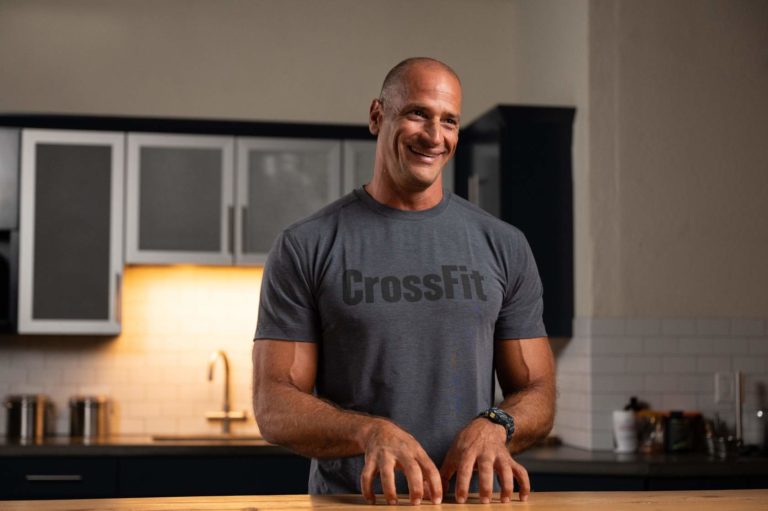 Stephane Rochet is a Senior Content Writer for CrossFit. He has worked as a Flowmaster on the CrossFit Seminar Staff and has over 15 years of experience as a collegiate/tactical strength and conditioning coach. He is a Certified CrossFit Trainer (CF-L3) and enjoys training athletes in his garage gym.