Aging isn’t something most of us think much about when we’re young and thriving. If we’re lucky, we coast along until yearly screenings reveal a larger issue, and suddenly discussions about metabolic disorders, heart disease, osteoporosis, and hormone replacement enter the conversation. We find ourselves treating preventable illnesses that can be life-altering, and in some cases, life-ending.
The standard trajectory looks something like this: peak in your 20s, start to slow down in your 30s, settle into a more sedentary lifestyle in your 40s, face declining health in your 50s, and begin to lose physical independence in your 60s and beyond. Medications pile up to manage symptoms, but the root cause is rarely addressed. Prevention, and even reversal, are possible. Something as straightforward — though not easy — as constantly varied, high-intensity functional movement is the answer.
Exercise built around functional movements — real-world physical actions that apply to daily life — is the key to maintaining physical independence as our bodies mature. Greg Glassman wasn’t wrong when he called the deadlift “the healthlift” and argued it was essential for everyone, no different than picking something up off the floor, and one of the best ways to protect the back from injury. The squat mirrors the simple act of sitting and standing. A push-up or a burpee could be life-saving if you ever find yourself on the ground after a fall. And farmers carries? You’re never too old to bring all the groceries in one trip. There’s a way to train for that.
Yes, you may need more attention, but not less movement. CrossFit’s Coaching the Aging Athlete course outlines four variables your coach should assess before establishing your program:
- Goals (performance vs. wellness)
- Current fitness level (fit vs. deconditioned)
- Chronological age
- Injury state
From there, they should identify risk factors, define priorities, and determine what will keep you safe, consistent, and progressing toward greater strength, improved neurological function, and increased physical capacity.
For example, maybe double-unders are not in the cards for you. A simple scale might be to have you do single-unders. But that’s just scratching the surface. A single-under can become a line hop, a toe tap, a calf raise, or a seated split-rope variation — each a stepping stone to the next level. Every movement in CrossFit’s repertoire is infinitely scalable with knowledge and creativity. No limits, just appropriate benchmarks — a clear starting point with the freedom to progress as movement fluency grows.
Chasing youth and outrunning illness are the same pursuit, done at different speeds. A shuffle, a walk, a trot, or a sprint will all get you there. Pair consistent movement with proper nutrition, sleep, and resistance training, and you have everything you need to add more years to your life and more life to your years. The seasons change, but the goal stays the same: remain as healthy as possible, control what you can, and keep going.
About the Author
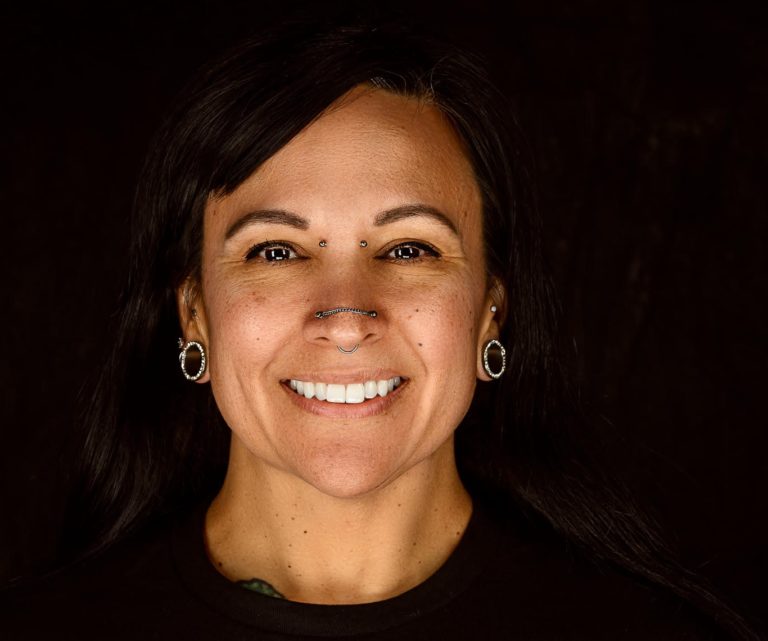 Kanani Harwood is a CF-L3 trainer and an aging athlete. She submitted this article on her 48th birthday and is currently celebrating her eighth year as a CrossFit athlete and seventh as a CrossFit trainer. She lives in Albuquerque, New Mexico, with her husband and two children, and is currently completing her Precision Nutrition Coaching Certification. She currently coaches at Gainz Fitness, home of CrossFit 469, and Undisputed Fitness in Santa Fe.