The Hanging Hype: What CrossFit Athletes Actually Need To Know
You’ve seen the videos. That AI voice — the one that’s taken over social media, selling supplements, workout programs, and probably cars by now — telling you that if you hang from a bar every day for 30 days, miraculous things will happen. By Day 10, you’ll have superhuman powers. By Day 20, you’ll be taking over the world. By Day 30, you’ll be the richest person alive.
If that were true, we’d all be hanging from every tree branch we passed.
But here’s the reality: hanging from a bar has become the latest fitness trend being sold as a cure-all for everything from shoulder health to longevity to dementia prevention. And while hanging does have legitimate benefits, it’s worth separating the hype from what actually matters for your training.
When Hanging Is Actually Useful
Let’s start with where hanging genuinely helps.
1. Rehab Tool
Hanging can be valuable for rehabilitating shoulder or elbow injuries. If you can’t bend your elbow or you’re dealing with shoulder issues, hanging from a bar (with or without some support from your feet) provides a gentle loading pattern that can help maintain strength while you recover.
For example, if you couldn’t do a pull-up due to an elbow injury, hanging could help you maintain pulling strength while the injury heals. Once you can tolerate bending that elbow, you’ll gradually progress back to full pull-ups.
2. Developing Baseline Strength
If you’re new to CrossFit and have zero pull-ups, hanging is an excellent starting point. It develops:
- Basic grip strength.
- Shoulder stability.
- Core engagement (if you’re maintaining a hollow position).
- The foundation for pulling movements.
This strength carries over to deadlifts, Romanian deadlifts, pull-ups, and even movements where you’re grabbing objects like kettlebells or dumbbells. Think of it like a farmer’s carry, except the weight is pulling you down instead of being carried at your sides.
3. Warm-Up Component
Hanging works well as part of a warm-up rotation, especially before overhead lifting days. Having athletes hang for 30 seconds at a station, alongside other warm-up movements, prepares the shoulders for overhead work.
You can combine hanging (arms overhead in traction) with loaded overhead positions (pressing up) as primers before pressing movements. Together, they hit both ends of the overhead spectrum and prepare your shoulders for the work ahead.
How Should You Actually Hang?
Here’s where the social media videos often fall short; they don’t specify how to hang. And it matters. There are different approaches depending on your goal:
Active Shoulder + Hollow Position
Best for developing pull-up strength and transferable pulling capacity.
Pull your shoulders slightly away from your ears (active shoulder position) and maintain a hollow body position with your core engaged. This most closely mimics the demands of pull-ups and other pulling movements.
Passive Hang
Best for back decompression, shoulder mobility, and elbow rehab.
Just hang. Let your shoulders relax up toward your ears. Allow gravity to create traction through your spine and shoulders. This is the most therapeutic version of hanging.
Either Approach Works For Grip Strength
The position of your shoulders doesn’t significantly change the grip demands, so either approach develops grip strength effectively.
The Diminishing Returns Problem
Here’s where the hype starts to fall apart: as you become more accomplished in CrossFit, the benefits of hanging decrease significantly.
Think about it this way: If you’re regularly doing deadlifts, walking lunges with weight, Romanian deadlifts, strict pull-ups, kipping pull-ups, and rope climbs — all with increasing loads and volume — you’re already developing everything hanging would give you.
You could probably walk up to a bar right now and hang without issue, even if you never specifically practiced hanging. Adding dedicated hanging to your program at that point wouldn’t produce spectacular results. You’re already getting the stimulus from your actual training.
If you’re choosing between hanging from a bar or doing pull-ups, rope climbs, deadlifts, and loaded carries, choose the actual movements. They provide more comprehensive benefits and directly support your CrossFit performance.
The One Unique Benefit
That said, hanging does offer one thing that many movements don’t: it puts your arms in an overhead position that’s uncommon in daily life.
We spend most of our day with our arms down by our sides. Hanging challenges your shoulders and upper back in an overhead, loaded position that you don’t encounter often. This is the main advantage hanging has over movements like deadlifts or farmer’s carries.
For this reason, variations like monkey bars are particularly valuable. If you have access to monkey bar attachments, use them. They combine the overhead position with dynamic movement, which is even more beneficial than static hanging.
But here’s the thing: you’re already getting a lot of this stimulus from pull-ups, toes-to-bars, and other gymnastics movements. So, while hanging provides this overhead position, you’re likely already covering it in your regular training.
The Grip Strength and Longevity Myth
You’ve probably heard that grip strength correlates with longevity — that people with stronger grips live longer. This has fueled the hanging trend, with some people claiming that hanging will help you live longer and even reduce dementia risk.
Here’s the reality: grip strength is probably a good indicator of overall fitness, not a magic bullet.
If someone has a strong grip, it likely means they deadlift, do pull-ups, climb ropes, and engage in loaded carries. They’re generally fit. They probably also maintain a reasonable body weight. All of these factors together contribute to longevity, not the grip strength in isolation.
If you decided to hang from a bar every day but did nothing else, you wouldn’t magically improve your health outcomes. It’s the comprehensive fitness that matters, and grip strength is just one marker of that fitness.
The correlation exists, but causation is a different story. Don’t fall for the reductionist thinking that says, “Grip strength = longevity, therefore I’ll just hang and skip everything else.”
Practical Implementation
If you want to incorporate hanging into your training, here’s how to do it intelligently.
Warm-up Integration: Include 30- to 60-second hangs as part of your warm-up rotation, especially before overhead pressing or pulling days.
Rehab Application: Use supported or full hangs to work through shoulder or elbow injuries under appropriate guidance.
Beginner Progression: If you can’t do pull-ups yet, practice hanging with active shoulders and hollow-body position as a foundation.
Variety: Try one-arm hangs, monkey bar traverses, or other hanging variations for added challenge and interest.
Don’t Overdo It: This doesn’t need massive amounts of time or a central place in your programming. It’s an accessory movement, not a primary focus.
Important Considerations
Hanging can be aggressive for many people. Don’t assume everyone can just grab a bar and hang. If you have shoulder issues, back problems, general deconditioning, or limited upper-body strength, start with toe-assisted hangs. Keep a box nearby so you can support some bodyweight with your feet. Gradually ease into full-bodyweight hangs rather than jumping straight into aggressive hanging protocols.
The Bottom Line
Is hanging from a bar valuable? Yes, in specific contexts:
- As a rehab tool.
- For developing baseline strength in beginners.
- As a warm-up component.
- For variety and accessing overhead positions.
Is it the miracle cure-all that social media claims? No.
Will it give you superhuman powers by Day 10? Definitely not.
Should it replace actual CrossFit movements like pull-ups, deadlifts, rope climbs, and loaded carries? Absolutely not.
Hanging is a useful tool in the toolbox. It has legitimate applications, but it doesn’t deserve the inordinate amount of hype it’s getting, and it shouldn’t consume an inordinate amount of your training time.
About the Author
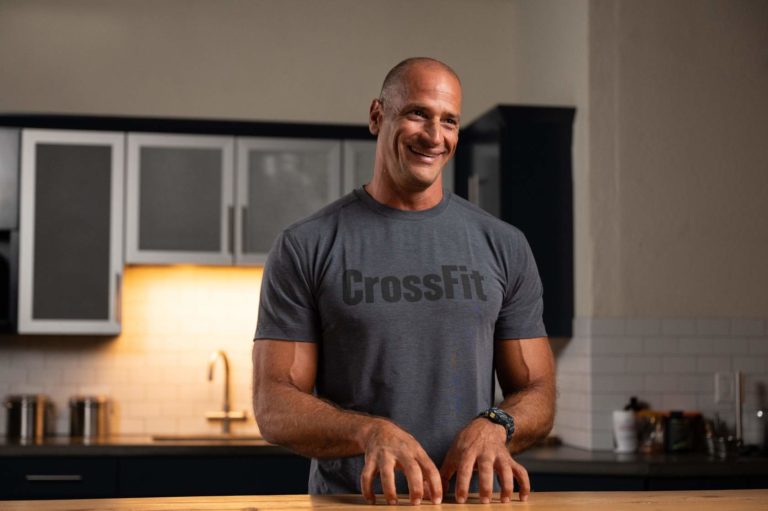 Stephane Rochet is a Senior Content Writer for CrossFit. He has worked as a Flowmaster on the CrossFit Seminar Staff and has over 15 years of experience as a collegiate/tactical strength and conditioning coach. He is a Certified CrossFit Trainer (CF-L3) and trains athletes in his garage.
Comments on Is Hanging from a Bar Worth Your Time? A CrossFit Reality Check
3 Comments
I have had a niggly elbow for a while, in yesterdays warm up there was a large amount of time spent hanging on the rig. Woke up this morning almost pain free and niggle almost completly gone. I will certainly be utilising this in my rehab.
Great article. A few years ago, I used daily hanging to help heal a nagging shoulder injury and I felt it helped tremendously. I continue to use it for spinal decompression, shoulder maintenance and grip training. But I agree, overdoing it won't produce great results beyond a certain point.
Get them Stephane! Love the article. Andy H.